
About the
Challenge
The Deep Space Food Challenge (2021-2024) was a public prize competition launched in parallel, in Canada by the Canadian Space Agency (CSA) and in the U.S. by the National Aeronautics and the Space Administration (NASA) Centennial Challenges Program. The Methuselah Foundation was the Allied Partner to NASA and administered the U.S. and International (non-Canadian) competition.
The three-phased NASA Challenge offered a total of $2.8M in prize money and awards to U.S. teams and special recognition to international teams across three phases of competition.
Teams were invited to create novel and game-changing food technologies or systems that require minimal inputs and maximize safe, nutritious, and palatable food outputs for long-duration space missions, and which have potential to benefit people on Earth.
300+
Teams competed
32
Countries represented
$2.8M
Awarded
7
Phase 3 finalists from 4 countries
Challenge Goals
This Challenge incentivized teams to develop novel technologies and/or systems for food production that did not need to meet the full nutritional requirements of future crews but ones that could contribute significantly to and be integrated into a comprehensive food system and…
Help fill food gaps for a crew of four for a 3-year round-trip mission with no resupply.
Improve the accessibility of food on Earth, in particular, via production directly in urban centers and in remote and harsh environments.
Achieve the greatest amount of food output with minimal inputs and waste.
Create a variety of palatable, nutritious, and safe foods that requires little processing time for crew members.
Phase 1 — Design
Identify potential
January 2021 – October 2021
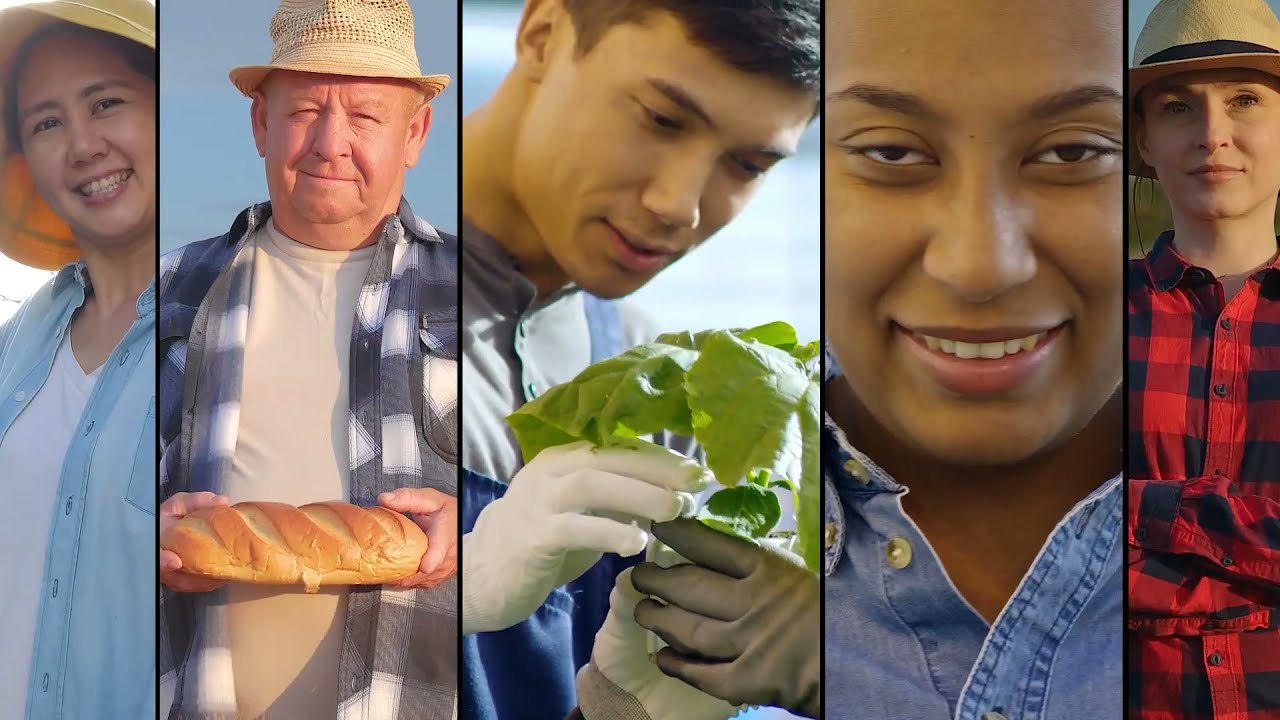
Phase 1 winners announcement.
Innovators from around the world designed food production technologies, systems, and approaches that met the challenge criteria. Teams submitted advanced design concepts for food production systems, then went through formal review.
NASA awarded $25,000 to each of 18 U.S. teams and formally recognized the top 10 international teams. In parallel, the Methuselah Foundation awarded $25,000 to each of two international teams — Solar Foods and Enigma of the Cosmos — as the Methuselah Prize for International Innovation, presented by Martha Stewart and former NASA astronaut Scott Kelly. All Phase 1 winners were invited to participate in Phase 2.
More from Phase 1
Alton Brown introduces the Deep Space Food Challenge
Webinar: Informational session
Webinar: Space Food
Webinar: Solving for Earth
Phase 2 — Initial demonstration
Test prototypes & prove the opportunity
January 2022 – May 2023
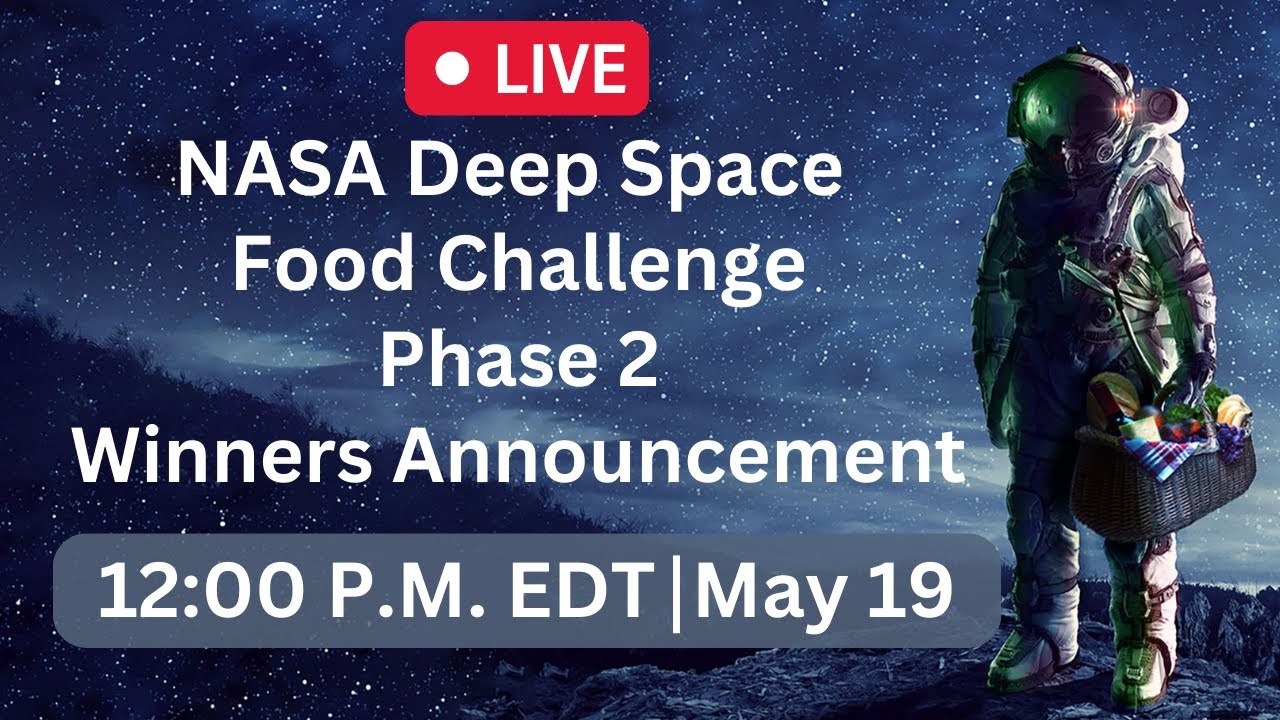
Phase 2 winners announced at the NYCxDESIGN Festival in Brooklyn.
Teams built food production technology prototypes and demonstrated them at kitchen-scale at their own facilities. NASA selected 11 teams as Phase 2 finalists — 8 U.S. and 3 international — and invited them to compete in on-site demonstrations.
NASA awarded $150,000 to each of 5 U.S. teams and formally recognized 3 international teams as Phase 2 winners. All 8 Phase 2 winners advanced to Phase 3. The 3 additional U.S. finalists received $20,000 finalist awards.
More from Phase 2
NASA Seeks Novel Food Systems in Deep Space Food Challenge Phase 2
Phase 3 — Long-term demonstration
Assessment for potential adoption
September 2023 – August 2024
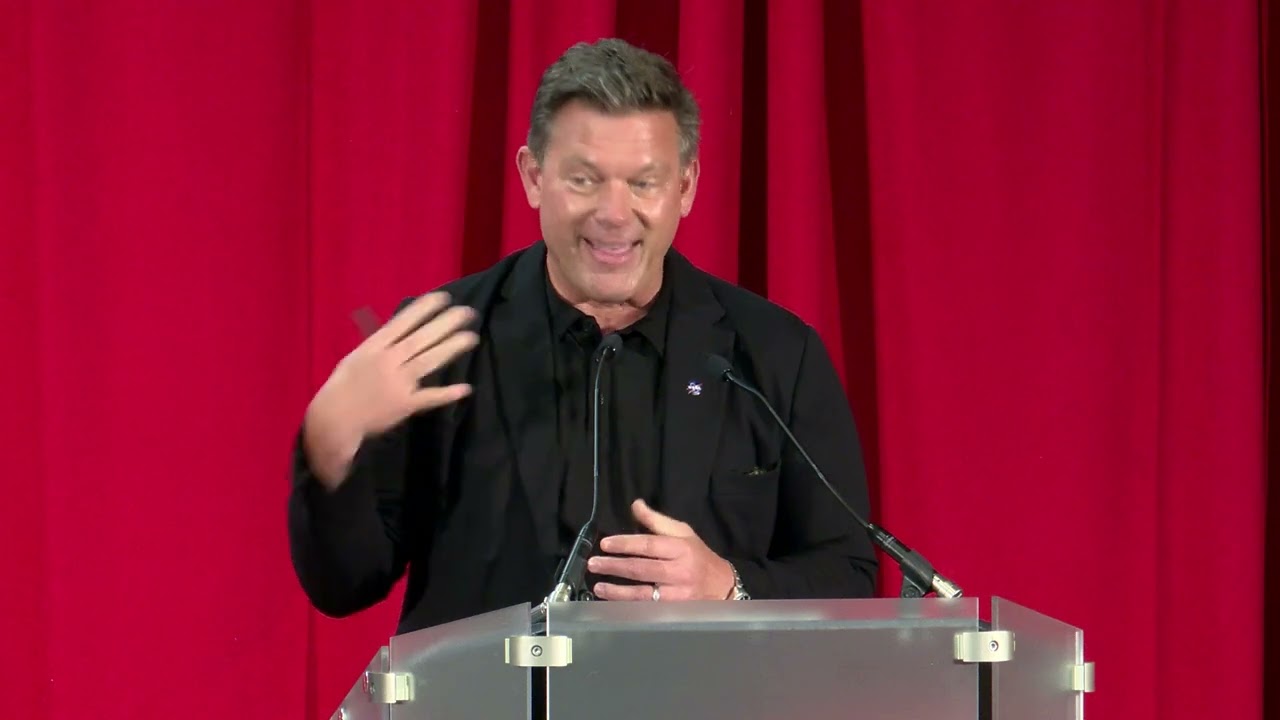
Phase 3 awards ceremony — NASA awards $1.25 million at the Deep Space Food Challenge finale.
Teams scaled their Phase 2 winning technologies to support an 8-week, multi-cycle demonstration at The Ohio State University Wilbur A. Gould Food Industries Center's Food Processing Pilot Plant in Columbus, Ohio. Four U.S. teams and three international teams reached this final stage. Each U.S. team received $50,000 to support the demonstration, working alongside Ohio State's "Simunaut" student crew who tested and demonstrated the systems over the eight-week period.
Interstellar Lab won the $750,000 grand prize. Nolux and SATED each received $250,000 as runners-up. NASA recognized Solar Foods as the international winner, with Enigma of the Cosmos and Mycorena as international runners-up. SATED also received the Tyler Florence Award for Culinary Innovation.
More from Phase 3
Mission Report: the Ohio State Simunaut demonstration
Meet the Simunauts
The finale
2024 Deep Space Food Symposium
The challenge closed at the Deep Space Food Symposium on August 15–16, 2024 — a two-day summit at the Nationwide and Ohio Farm Bureau 4-H Center, where attendees met the Phase 3 finalists, witnessed live demonstrations of the food production technologies, and joined panels with experts from NASA, government, industry, and academia. The awards were announced at a ceremony at the close of the symposium.
Celebrity chef Tyler Florence joined the finalists to taste and assess each team's food system, ultimately selecting SATED for the Tyler Florence Award for Culinary Innovation.
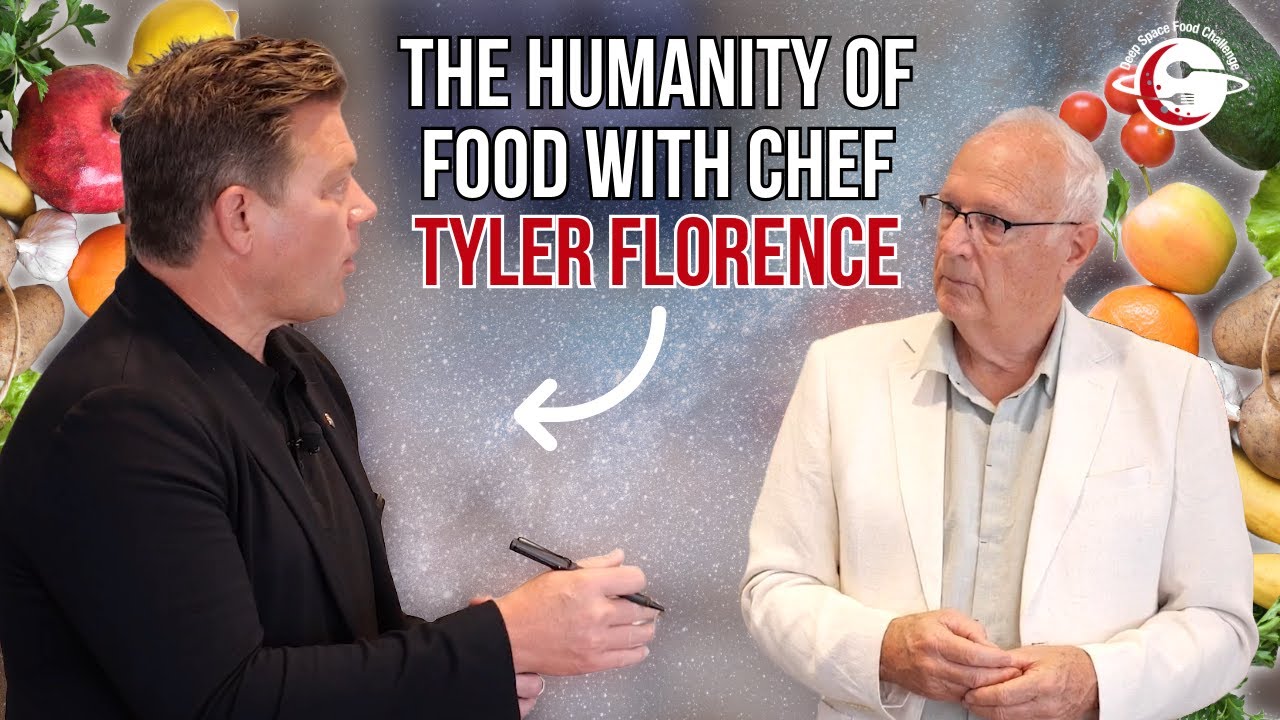
The Humanity of Food with Tyler Florence at Ohio State.
Symposium media
Recap: NASA's Deep Space Food Challenge concludes with celebration in Ohio
Meet the teams
Thirty-three teams from sixteen countries were formally recognized across the three phases. The full directory includes every team's phase history, achievements, and approach to deep space food systems.