Sometimes the biggest breakthroughs begin with a simple question. For YieldX founder, Nadun Hennayaka, that question arrived while looking through a telescope.
As an amateur stargazer fascinated by how telescopes smoothly extend and retract, he found himself wondering why plants are typically cultivated in systems that remain fixed from seedling to harvest when their space requirements change dramatically as they grow. It was an observation that would eventually grow into YieldX, an agricultural technology company developing expandable growing systems that can significantly increase plant density while utilizing the same physical footprint.
Today, YieldX is moving from successful commercial demonstrations toward global deployment, helping growers produce more food with fewer resources. Along the way, one unexpected milestone would fundamentally shape the company's evolution: NASA's Deep Space Food Challenge. YieldX’s story illustrates something much bigger than a single company. It demonstrates how solving one of humanity's most difficult challenges of feeding astronauts in space, can produce technologies with enormous potential here on Earth.
Looking at Earth's Food System Through a Different Lens
While working full-time in the technology sector, Nadun Hennayaka, spent evenings exploring renewable energy projects throughout Southeast Asia. Originally from Sri Lanka, he became increasingly interested in sustainability and the interconnected challenges of energy, climate, and food production. Research into plasma gasification (converting non-recyclable waste into energy) led him to investigate how carbon dioxide produced through those systems could be reused. That search introduced him to controlled-environment agriculture and vertical farming. But something didn't make sense. Most indoor growing systems are designed around the size of a fully mature plant, even though crops spend much of their lives as tiny seedlings occupying only a fraction of that space.
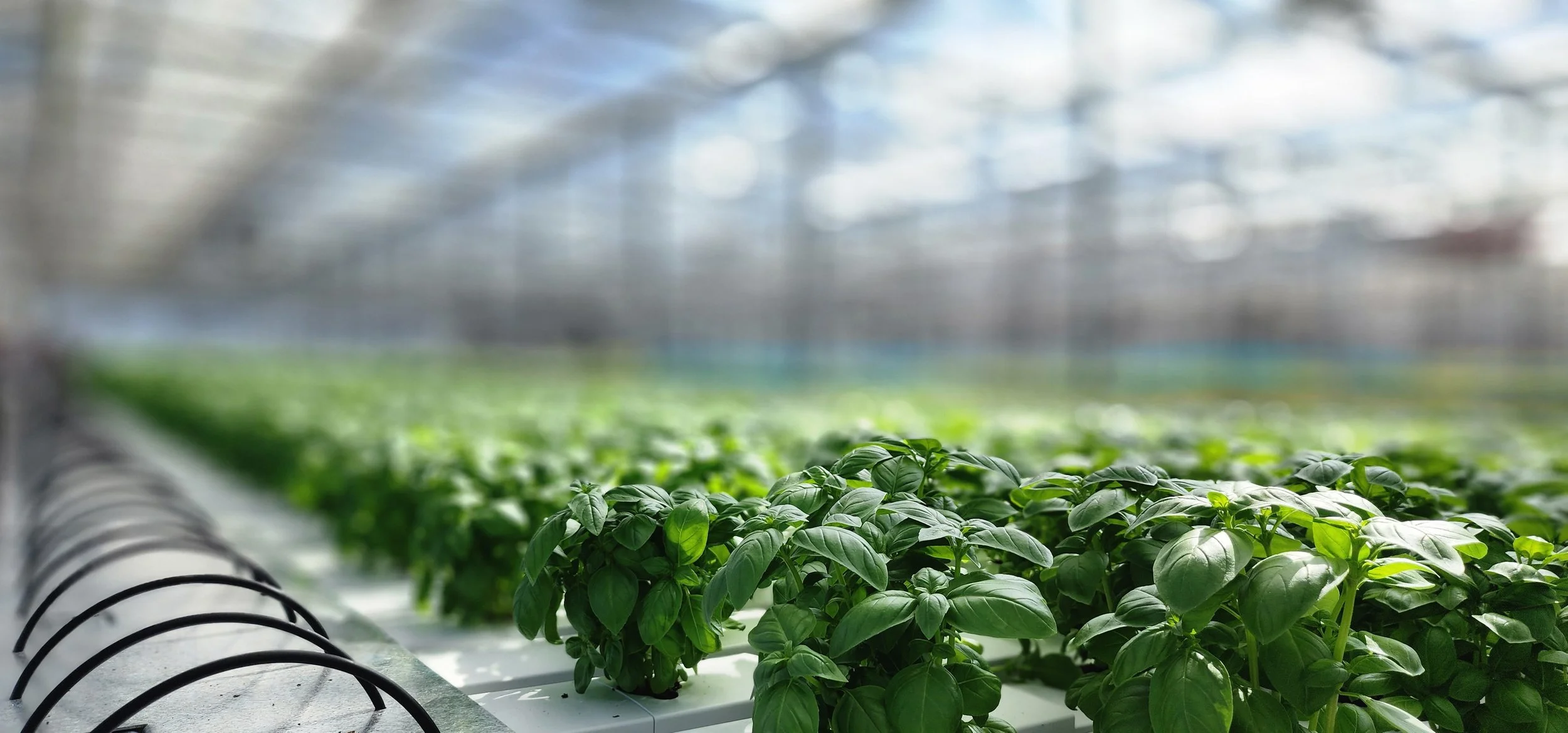
"It seemed like we were wasting an incredible amount of expensive growing area," he realized. The telescope analogy suddenly offered an answer. Instead of building growing channels that remain fixed, why not allow them to expand gradually as plants mature? Seedlings could begin life tightly spaced together, maximizing production early in the growth cycle. As plants increased in size, the channels would simply extend, creating exactly the amount of room needed, only when it was actually needed. The concept sounds deceptively simple, but it challenged decades of conventional greenhouse design.
Building a Company One Prototype at a Time
Like many startup stories, YieldX began after-hours. Unable to secure early support through traditional startup incubators, Nadun taught himself computer-aided design, filled his apartment with 3D printers and prototype components, and began building increasingly sophisticated versions of the expandable growing system.
When the COVID-19 pandemic disrupted the world in 2020, it also created an unexpected opportunity. Nadun committed full-time to the company and turned his apartment into both a workshop and a greenhouse. Grow tents, mechanical prototypes, and endless design iterations filled every available space. The vision driving those long nights became clear and remarkably straightforward: Fresh, healthy food should be more affordable and more accessible.
As climate pressures increase, populations grow, and arable land becomes more constrained, agriculture needs technologies that help growers produce more food; not by using more land, but by using existing resources more efficiently. The challenge wasn't simply to invent something new. It was to build something growers would actually adopt.
A Space Challenge That Changed Everything
Early feedback from the startup ecosystem was discouraging. Many argued that if the idea worked as well as expected, surely someone would have developed it already. Rather than accepting that conclusion, YieldX sought the toughest possible test in the form of NASA's Deep Space Food Challenge.
Launched by NASA in partnership with the Canadian Space Agency, the Deep Space Food Challenge challenged innovators around the world to develop food production technologies capable of supporting astronauts on future missions to the Moon, Mars, and beyond. The competition recognized that carrying years' worth of food from Earth isn't practical for deep-space exploration. Instead, future crews will need systems that produce nutritious food while minimizing mass, power, water, waste, and crew time.
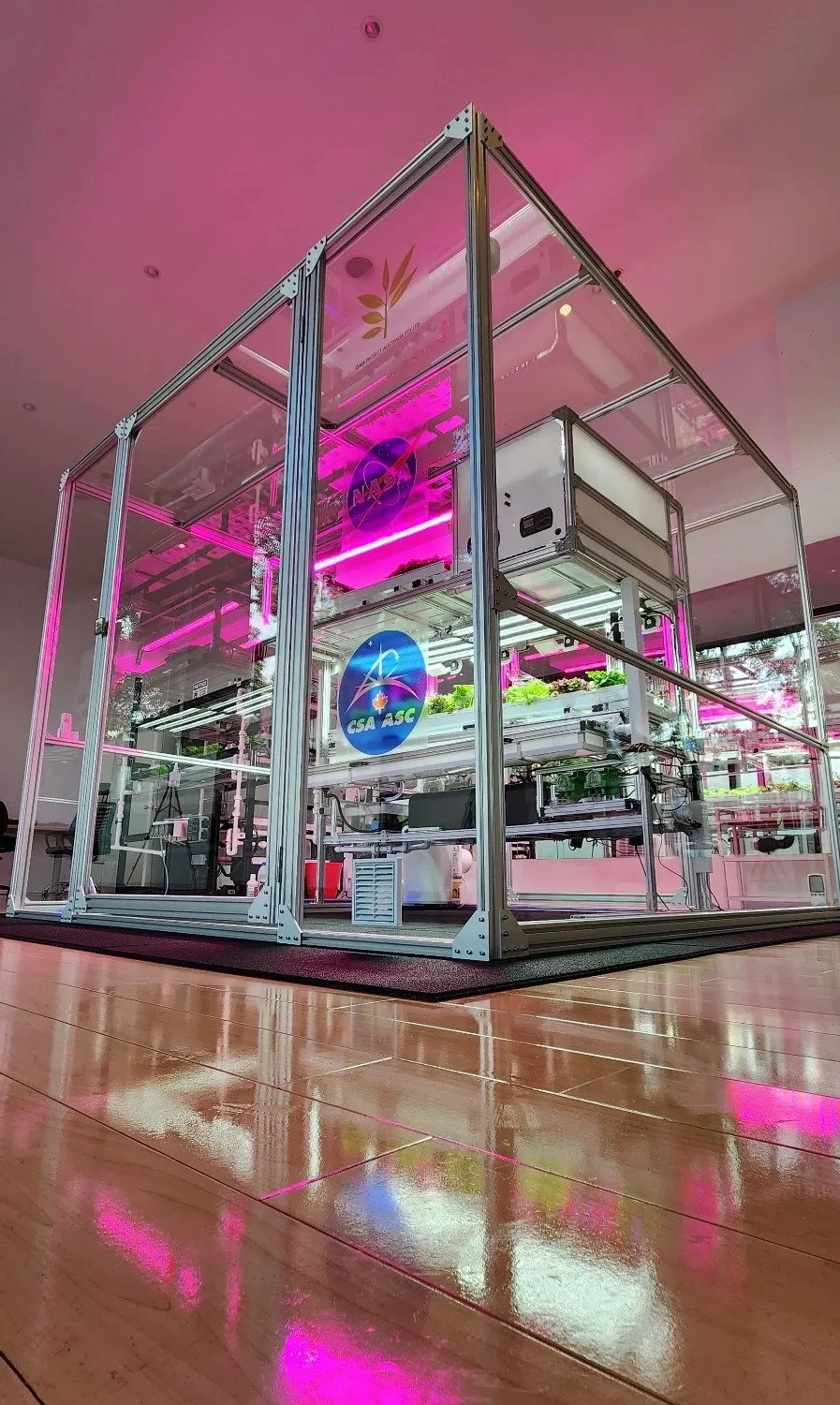
More than an engineering competition, the Challenge became a global innovation platform, bringing together entrepreneurs, scientists, engineers, and food system experts to rethink how humanity produces food in the most resource-constrained environments imaginable. For YieldX, it was the ideal proving ground. The irony wasn't lost on the team: an idea inspired by looking through a telescope at the Moon was now being evaluated as a potential technology for future lunar missions.
Designing for Space Makes Better Systems on Earth
Participating in all three phases of the Challenge transformed more than the technology, it changed how the company approached engineering itself. Designing for space forces every component to justify its existence. Systems must be reliable. Simple. Repairable. Resource efficient.
Throughout the Challenge, YieldX repeatedly simplified its designs, replacing more complex mechanisms with elegant, lower-maintenance solutions. Features originally developed to satisfy the rigorous demands of spaceflight ultimately became advantages for commercial greenhouse operations. The experience reinforced that technologies designed for the extreme constraints of space can also become exceptionally practical here on Earth. Just as memory foam, water purification systems, and advanced medical sensors found terrestrial applications after being developed for space exploration, innovations in controlled-environment agriculture are following a similar path.
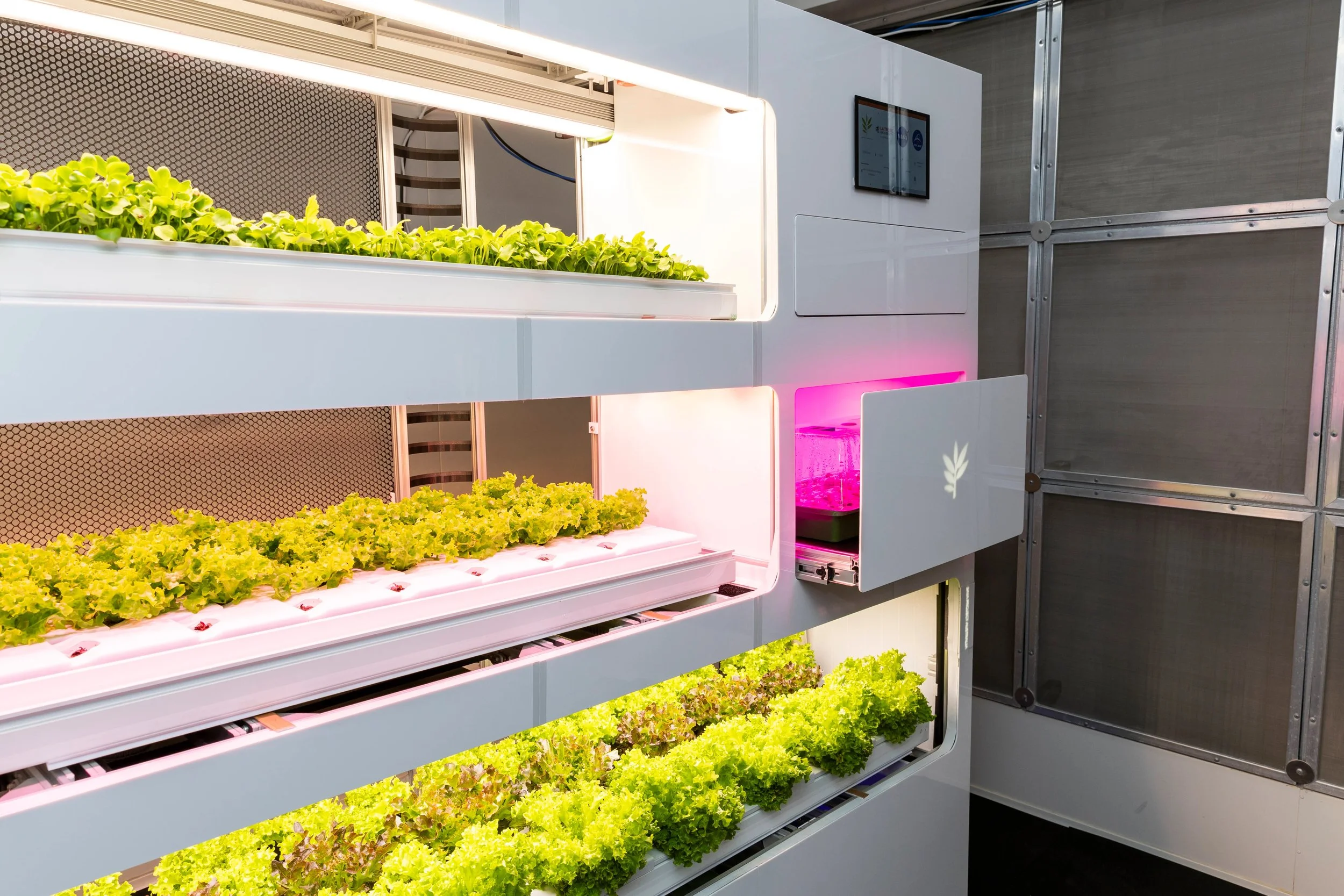
Receiving international recognition during the competition, including being announced as a Phase 1 winner by former astronaut Scott Kelly, provided important validation. But perhaps more valuable than the awards were the relationships formed throughout the Challenge. Working alongside other innovators tackling humanity's future food challenges created a collaborative environment where ideas improved through shared learning rather than competition alone. Collaboration with La Trobe University also brought engineering and plant-science expertise to the Challenge prototypes.
From Competition Prototype to Commercial Reality
The years following the Deep Space Food Challenge marked a transition from concept validation to commercial deployment. YieldX raised investment capital, engineered commercial-scale systems, and installed its first automated greenhouse platform at Butler Market Gardens in Victoria in Australia. Today, produce grown using that system reaches supermarket shelves, and the technology has demonstrated approximately 50 mature plants per square meter while maintaining commercial performance.
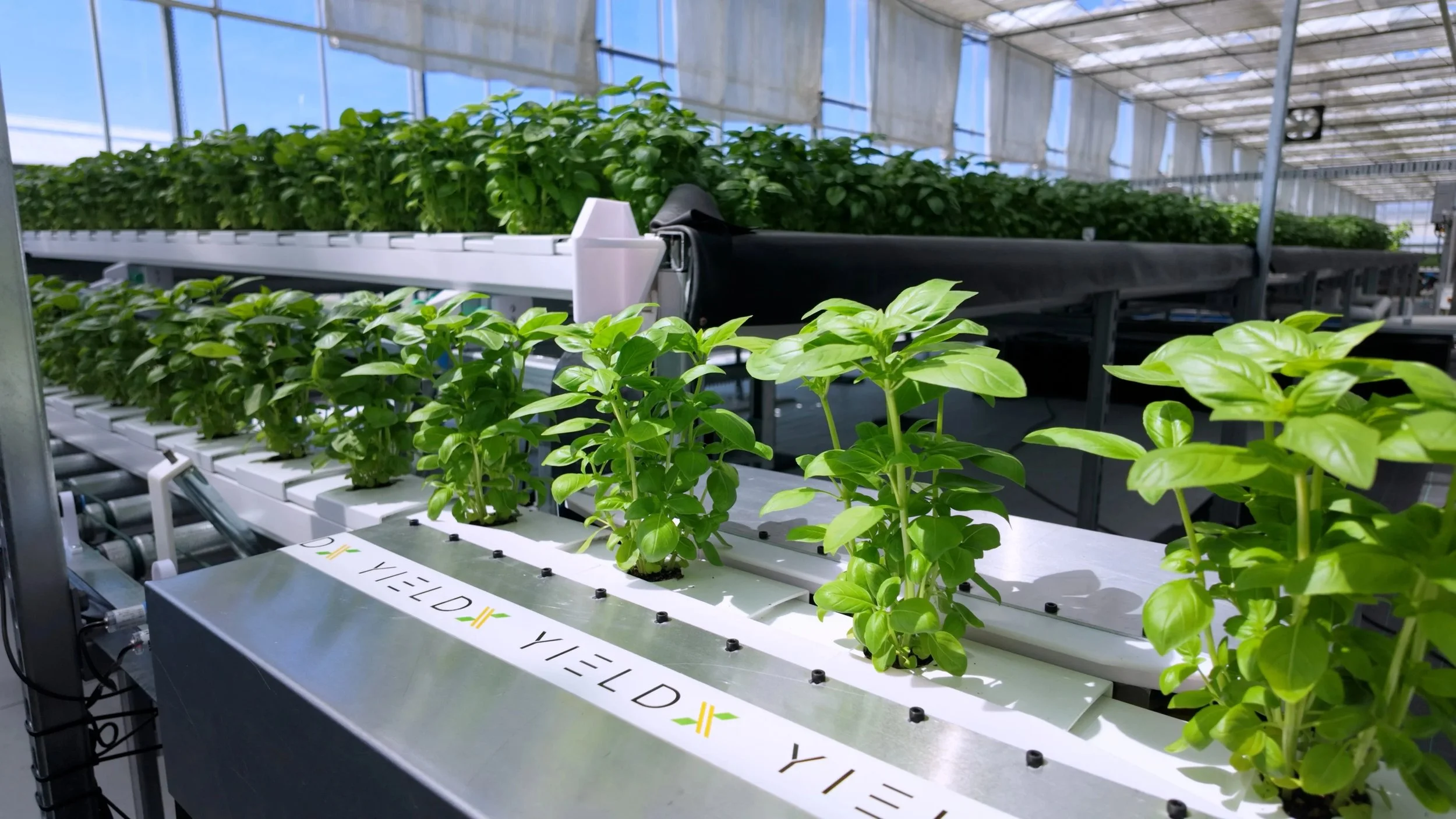
The company is now expanding beyond Australia through partnerships in Europe, North America, Japan, India, and other regions, adapting the technology to different agricultural markets and production models. Some deployments emphasize advanced automation. Others focus on lower-cost, semi-automated systems that make the technology accessible in emerging markets. Throughout every expansion, the underlying philosophy remains unchanged: improve productivity without requiring growers to completely reinvent their operations.
Building the Future Food System
YieldX's story reflects a broader shift occurring across global food innovation. The world's food system faces increasing pressure from climate change, water scarcity, labor shortages, urbanization, and population growth. Meeting those challenges will require more than incremental improvements, it will demand entirely new ways of thinking about food production. This is precisely where the Deep Space Food Consortium sees tremendous opportunity.
The Consortium was established to accelerate the development of sustainable, resilient, and evolvable food systems that enable humanity's expansion into space while improving life on Earth. Its mission brings together industry, academia, government, investors, entrepreneurs, and innovators to bridge the gap between breakthrough concepts and real-world implementation. Rather than viewing space food simply as astronaut meals, the Consortium approaches food systems as an interconnected ecosystem encompassing agriculture, processing, nutrition, manufacturing, logistics, waste recovery, automation, and circular resource management.
Companies like YieldX represent exactly the type of innovation the Consortium seeks to cultivate. Their technology demonstrates that designing for lunar habitats can simultaneously help greenhouse operators increase productivity on Earth. The same engineering principles that reduce mass, complexity, and resource consumption in space can also improve food affordability, sustainability, and resilience for communities around the globe.
As humanity prepares to establish a sustained presence on the Moon and eventually journey to Mars, these dual-use technologies become increasingly important. The future of space exploration and the future of agriculture are becoming deeply intertwined. And NASA agrees. YieldX was selected as a NASA Spinoff company and will appear in the agency’s upcoming book.
Growing More Than Plants
YieldX's next chapter focuses on scaling. The company continues to expand through strategic partnerships, developing commercial "lighthouse" projects that allow growers to see the technology operating under real-world conditions before adopting it themselves. Yet despite the company's international growth, the original motivation remains unchanged.
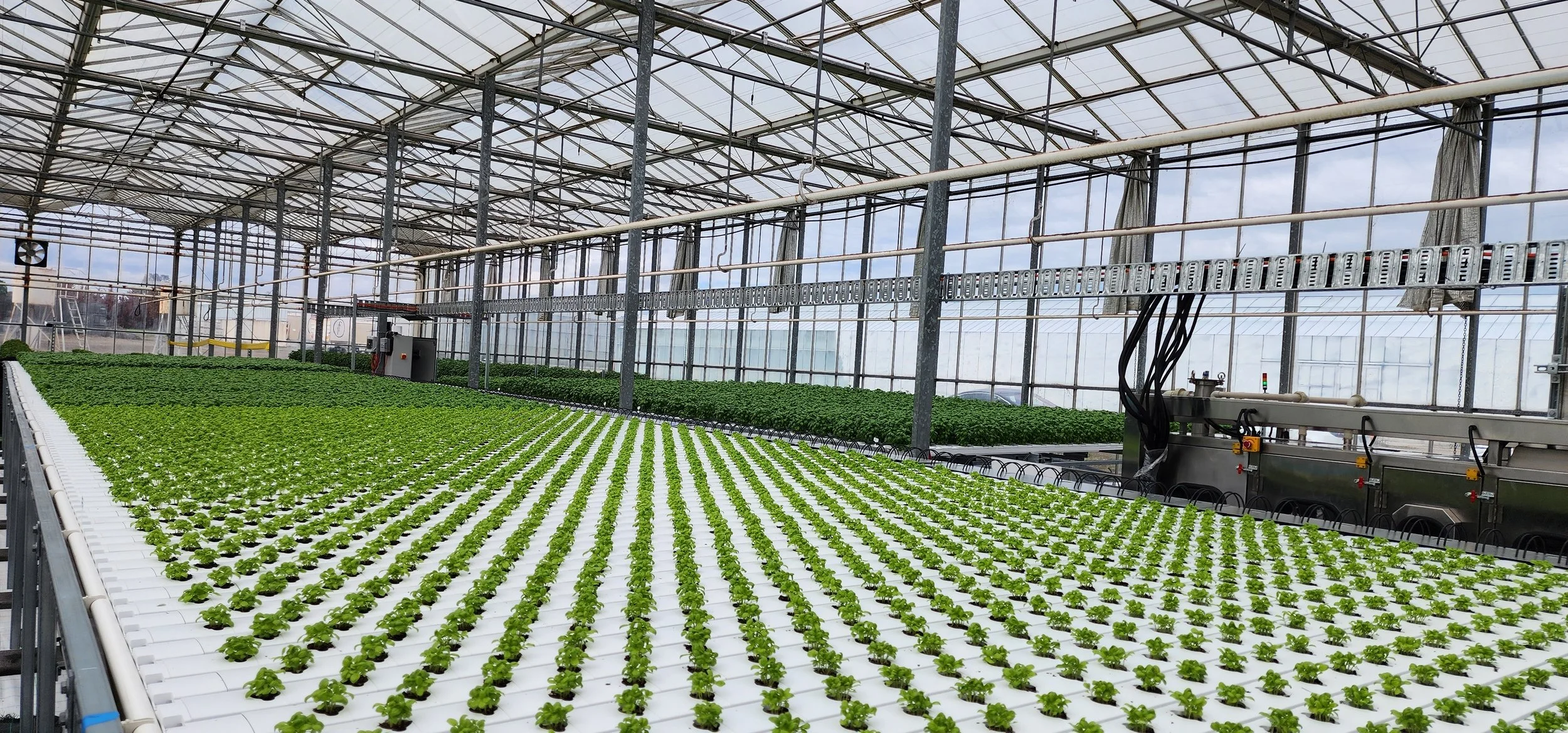
The goal was never simply to build a better greenhouse. It was to help make fresh food more affordable, more accessible, and more sustainable. Sometimes transformative ideas don't begin in laboratories or research centers. Sometimes they begin with curiosity, a telescope pointed toward the night sky, and a willingness to ask a question that no one else thought to ask. That spirit of curiosity, and the determination to transform bold ideas into practical solutions, is exactly what will shape the future of food, both on Earth and far beyond it.