
What are we going to eat? - The complex challenges of space food
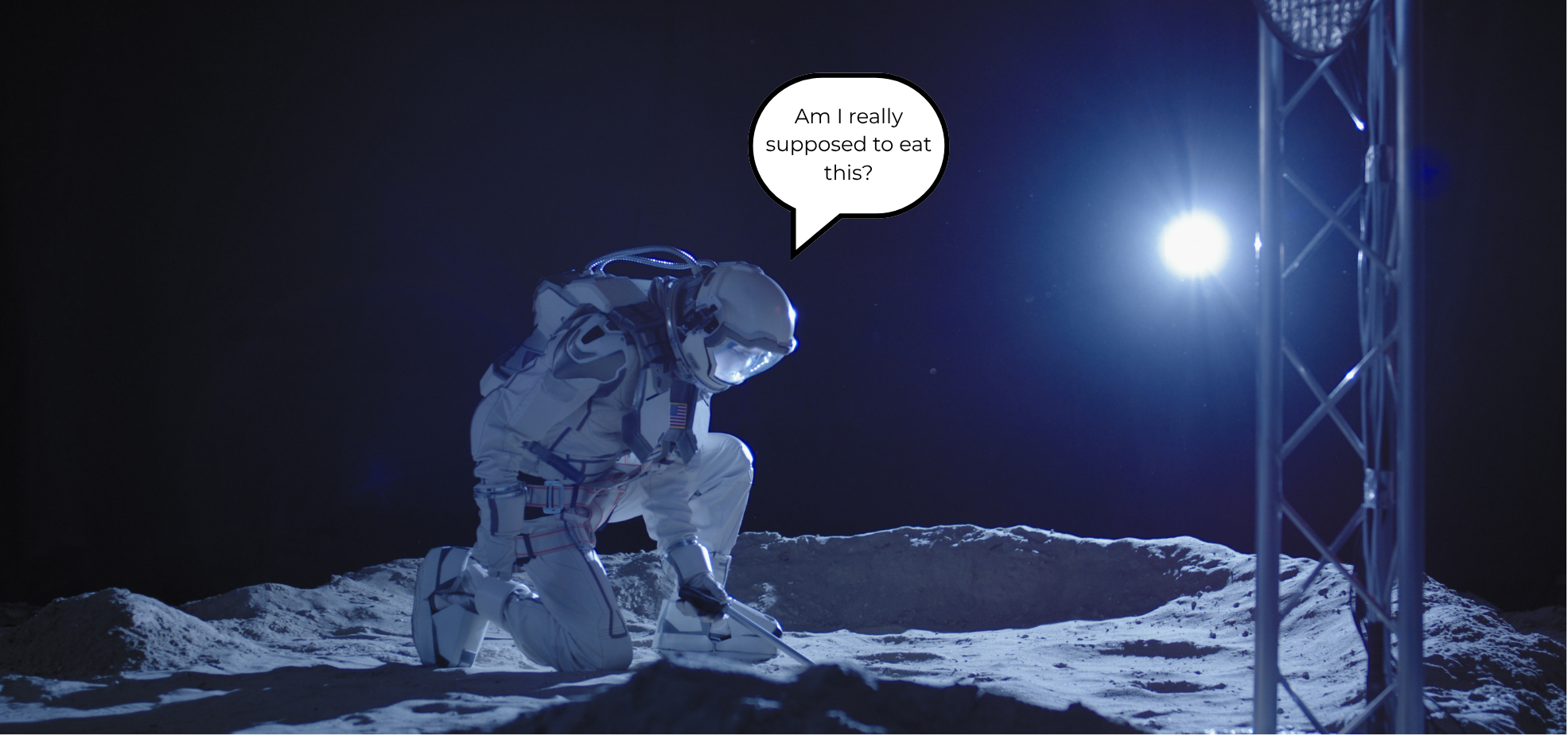
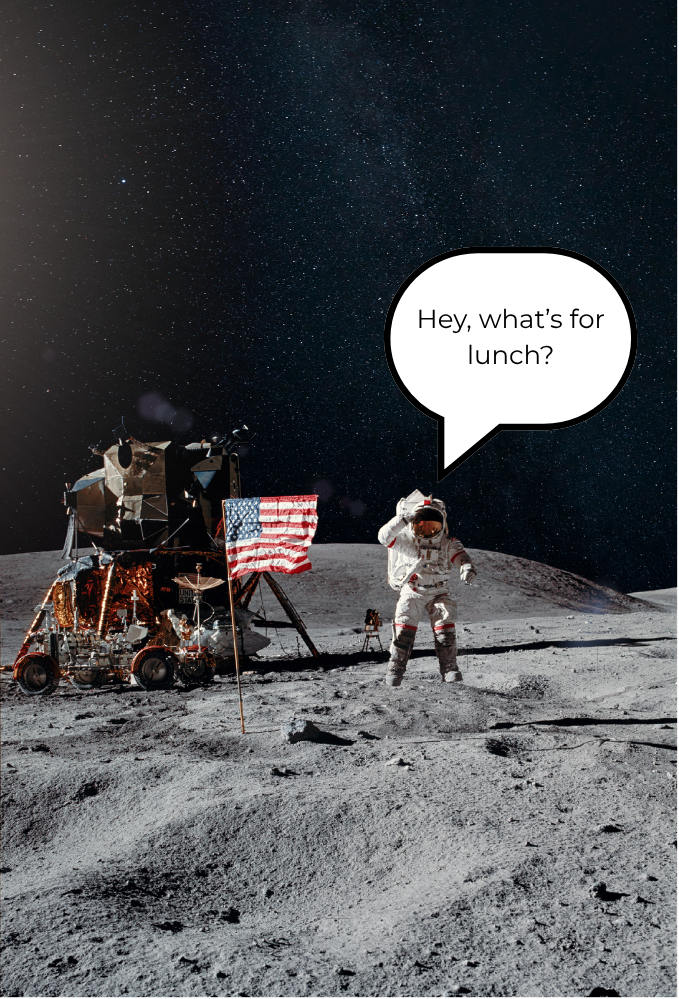
What are we going to eat on the Moon?
It sounds like a simple question. But for long-duration space missions, food is one of the biggest limiting factors.
Sending food from Earth is expensive, complex, and unreliable. Resupply missions can be delayed. Payloads are limited. And shelf-stable space food needs to be lightweight, durable, radiation-resistant, and safe for long-term storage.
But food is not just fuel.
Taste, texture, smell, freshness, variety, and the act of sharing meals all play an important role in human health and well-being. For astronauts living and working in isolated, high-stress environments, food can also be a psychological countermeasure, helping support comfort, connection, and resilience.
As humanity prepares for a sustained presence on the Moon and future missions to Mars, we need food systems that can do more than survive the journey.
We need systems that can support nutrition, health, performance, and quality of life in deep space.
That means rethinking how we produce, prepare, and experience food beyond Earth.