
OUR VISION:
To enable humanity to live and thrive beyond Earth by building sustainable, evolvable space food systems, while advancing resilient, efficient, and equitable food systems on Earth.
OUR MISSION:
To unify global space food research by building shared roadmaps, standards, and platforms to accelerate research and technology development, validation, and deployment.

A Note from the Founders
From early expeditions across the oceans, to the exploration of the polar regions, history has demonstrated time and time again that food is often the critical factor between any mission’s success and failure — space is no different.
In 2021, NASA released the Deep Space Food Challenge in coordination with the Canadian Space Agency to identify technologies that could potentially contribute to the future food system in support of deep space exploration. After final prizes were awarded in 2024, it was recognized that approaching the development of the food systems through the lens of individual technologies was no longer effective.
The roadmap for the future food system must expand to include not just food production, but also preparation and cooking; storage and waste management; and human factors and safety. Similarly, the development of new technologies and approaches will have to expand to engage new types of partners in order to stimulate innovation and expedite development, testing and ultimately, deployment.
In short: the responsibility cannot lie with just one country, organization, or industry.
The Deep Space Food Consortium was established by the challenge administrators and partners to continue expanding the definition and development of future food systems by uniting the global community and connecting opportunities across disciplines. What started as an effort to understand the potential of individual technologies, has sparked a movement and a community ready to explore and expand how we think about these future food systems, and what it will take to make them a reality.
The future of food in space will define the future of humanity in space. Let’s build it together.
Priority Areas
-
![]()
Pre-Packaged System Innovations
-
![]()
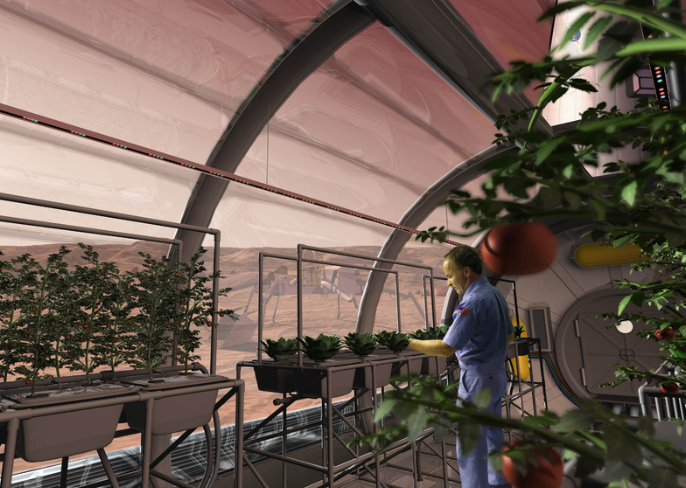
Production Technologies & Approaches
-
![]()
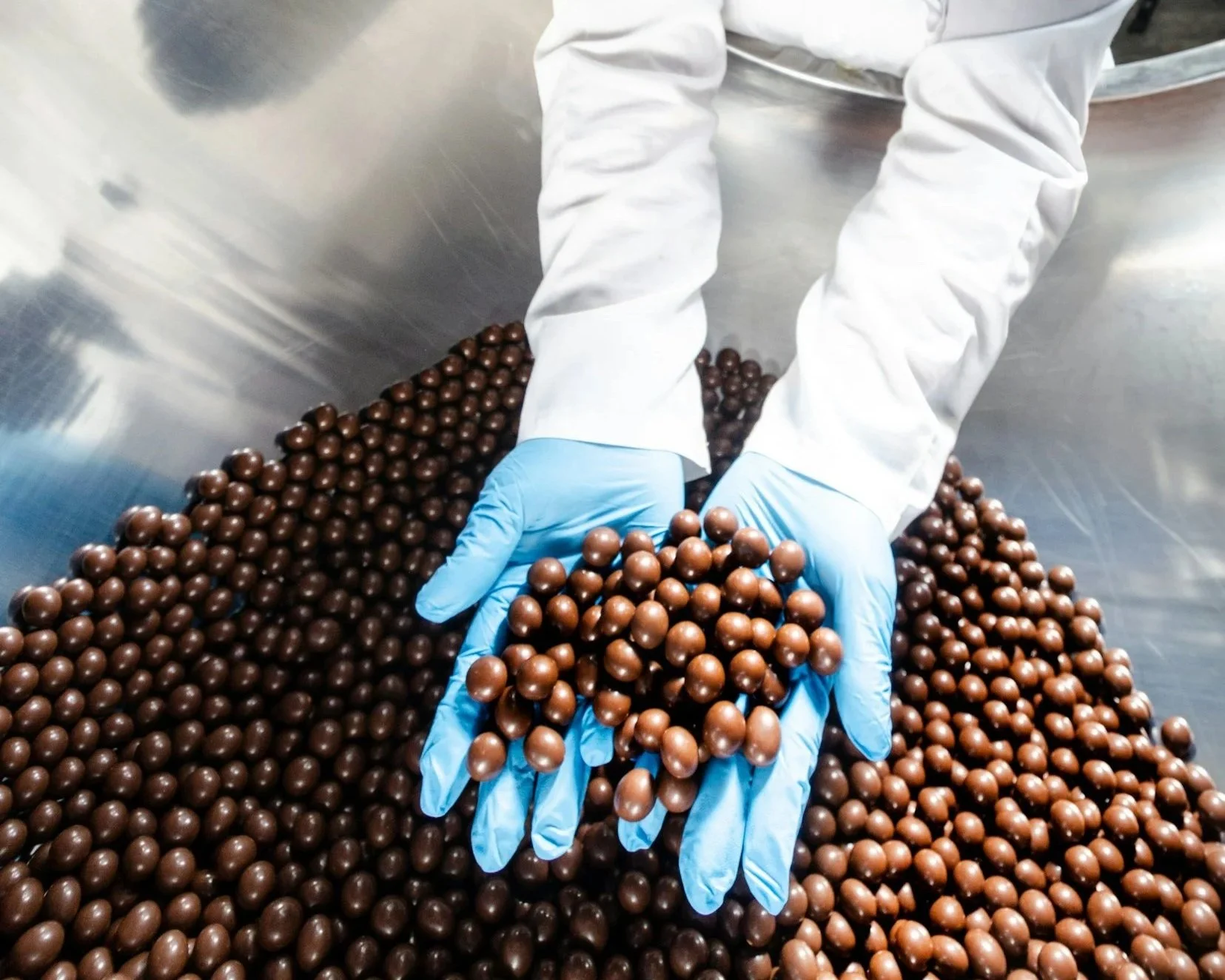
Processing, Preparation & Storage
-
![]()
Risk Assessment, Safety & Quality Control
-
![]()
Waste & Side-Stream Management
-
![]()
Human Health, Nutrition & Performance
-
![]()
Environmental Climate & Life Support System Interfaces
-
![]()
Crew Interaction & Experience
-
![]()
Testbeds, Demonstrators & Analogs
-
![]()
Data Analysis & Reporting
-
![]()
Technology & Systems Integration
-
![]()
Digital Twins & Simulation Models






Capabilities and Goals
-
LEAD
Define Markets and Identify Innovations:
Advocate & prioritize related research needs.
Recruit expertise in applicable space and food related fields.
Establish thought leadership through publications, engagements, and global partnerships.
Standardize and guiding the establishment and development of a space food system.
-
CONNECT
Prepare Innovations for Market:
Network to identify people, places, and opportunities.
Identify, vet and advocate for technologies and approaches.
Encourage and support cross-discipline development of breakthrough R&D.
Investigate methodologies and approaches to stay current on market directions and trends.
-
INTEGRATE
Bring Innovations to Market:
Foster collaboration to align and create impacts for space and Earth.
Demonstrate viability of components within a system.
Provide all-inclusive testing to validate and accelerate further development and application.
Compare performance of competing and complimentary technologies.
Programs
-
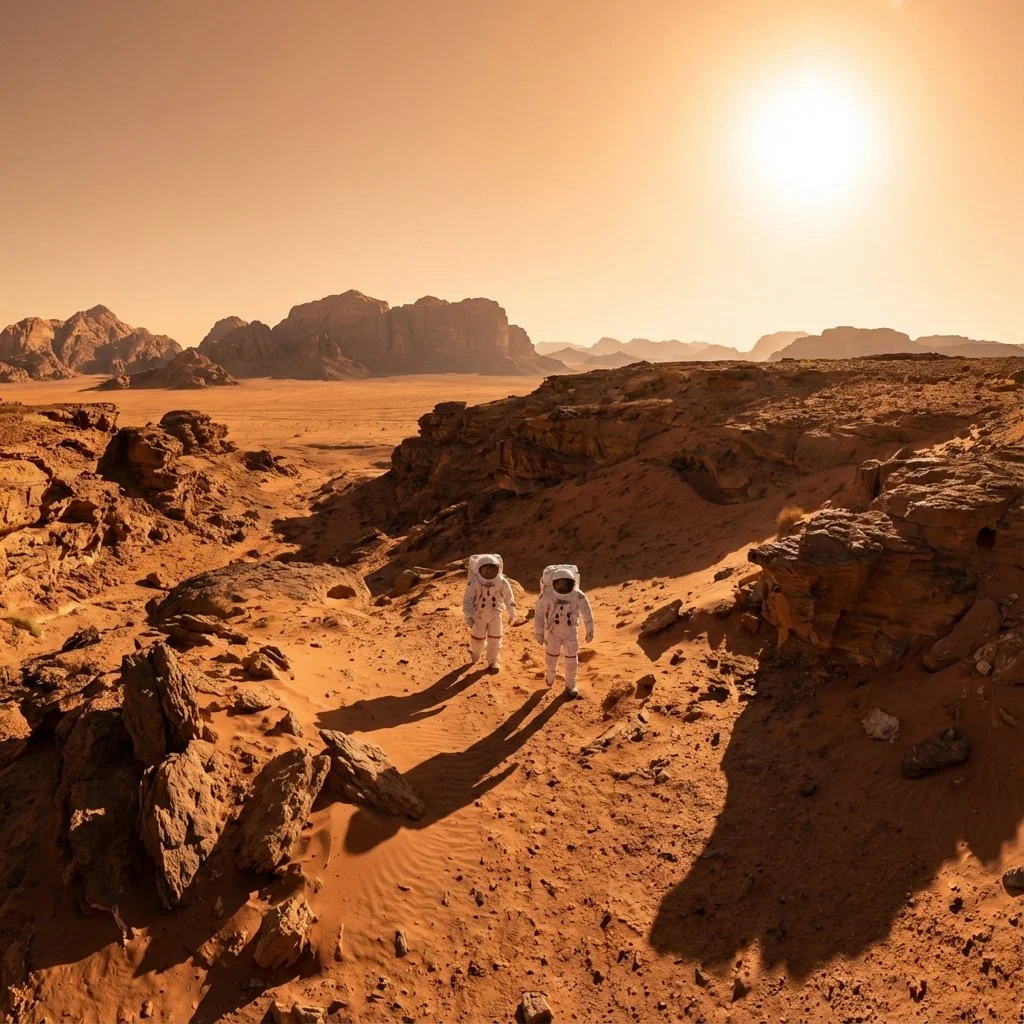
Demonstrators & Analogs
Advance validation and reduce risk by aligning space food systems research and development with high-fidelity analog and demonstration environments that reflect mission-relevant operational constraints.
-
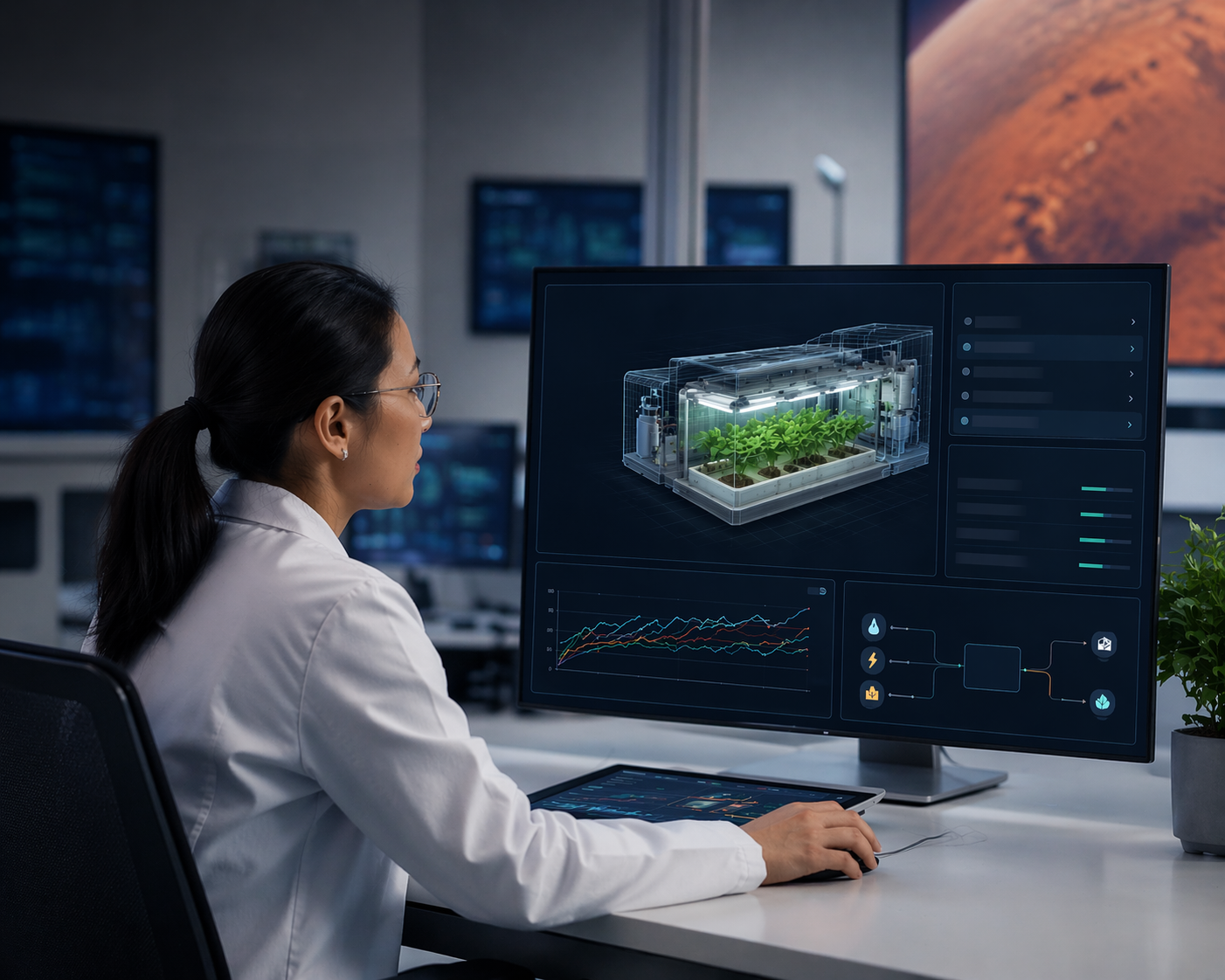
Digital Platforms & Models
Support rigorous down-selection of food system concepts using digital twins and simulation platforms to validate performance, operational readiness, and mission fit across diverse use cases and conditions.
-
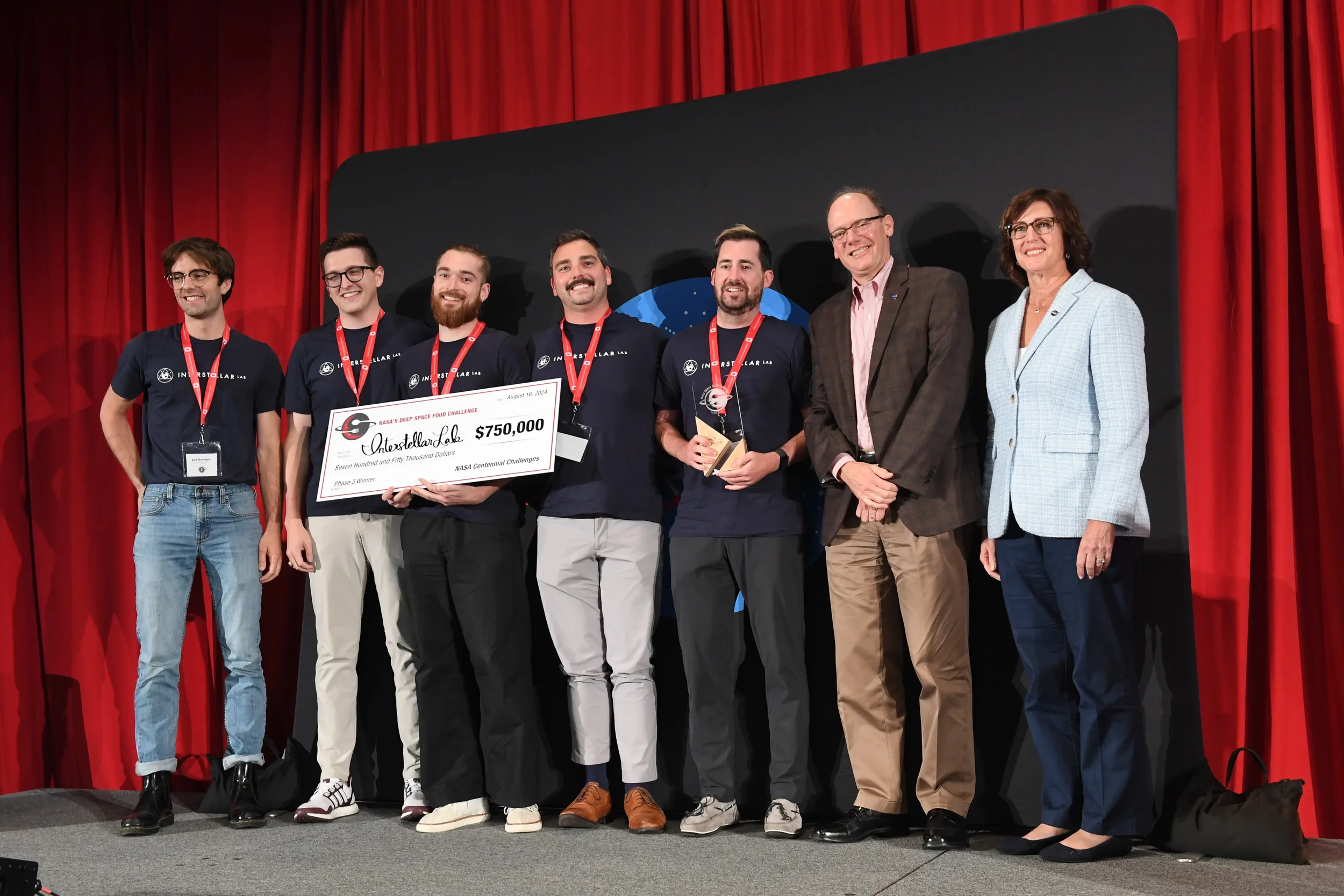
Prize Competitions & Crowdsourcing
Deploy strategically aligned public challenge programs with government, industry, and academia to mobilize multidisciplinary food systems communities and accelerate innovation and technology maturation.
-
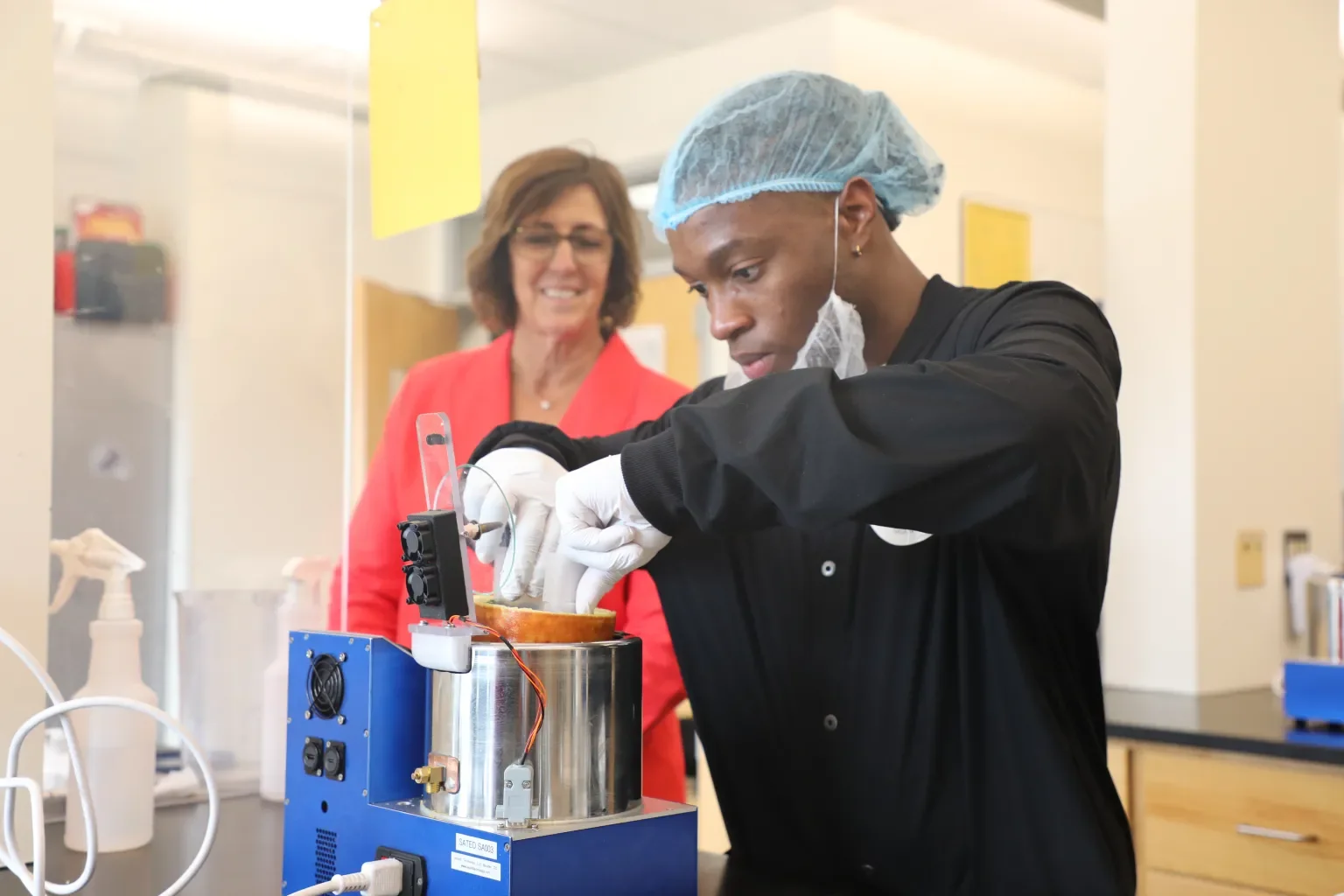
Catalyst & Enablement
Accelerate space food systems from concept to flight by embedding scientific leadership and technical advisory support within collaborative research and technology programs.
Products and Services

Core Team
Representing over five decades of combined experience across government, academia, and the public and private sectors, our team defines the Consortium’s purpose and sets strategic priorities across activities, projects, initiatives, and opportunities.
-

Dane Gobel
Co-Founder
Director, Methuselah Foundation -

Angela Herblet
Co-Founder
Operations & Initiatives -
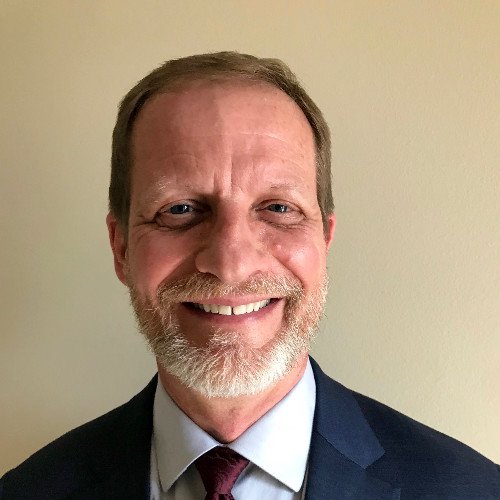
Ralph Fritsche
Co-Founder
Strategy & Development -

Tor Blomqvist
Co-Founder
Food Systems Architecture, Programs & Policy -
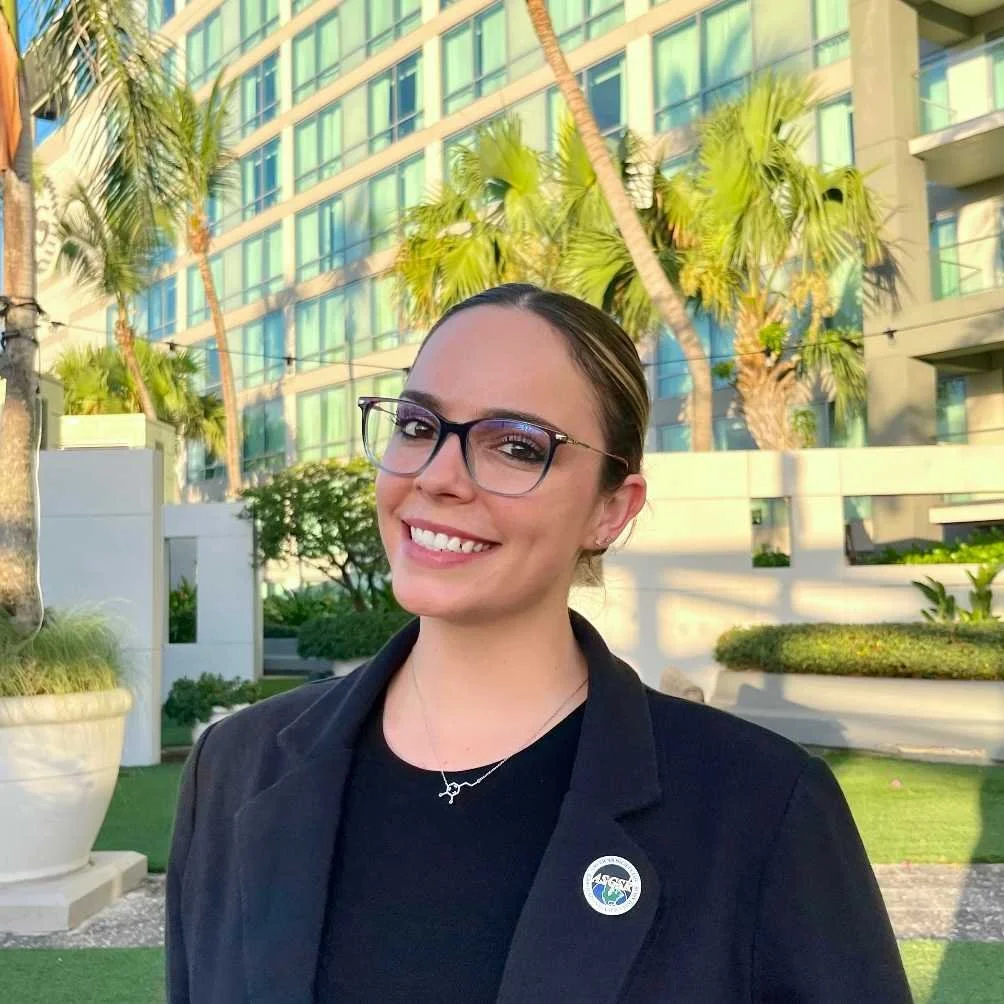
Annie Shelton
Co-Founder
Science & Research -
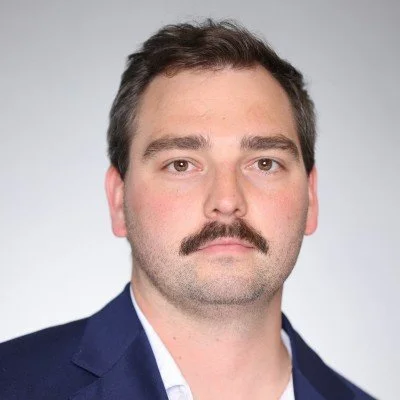
Jacob Scoccimerra
Business Development
-

Stephanie Wan
Cross-sector Opportunities
-
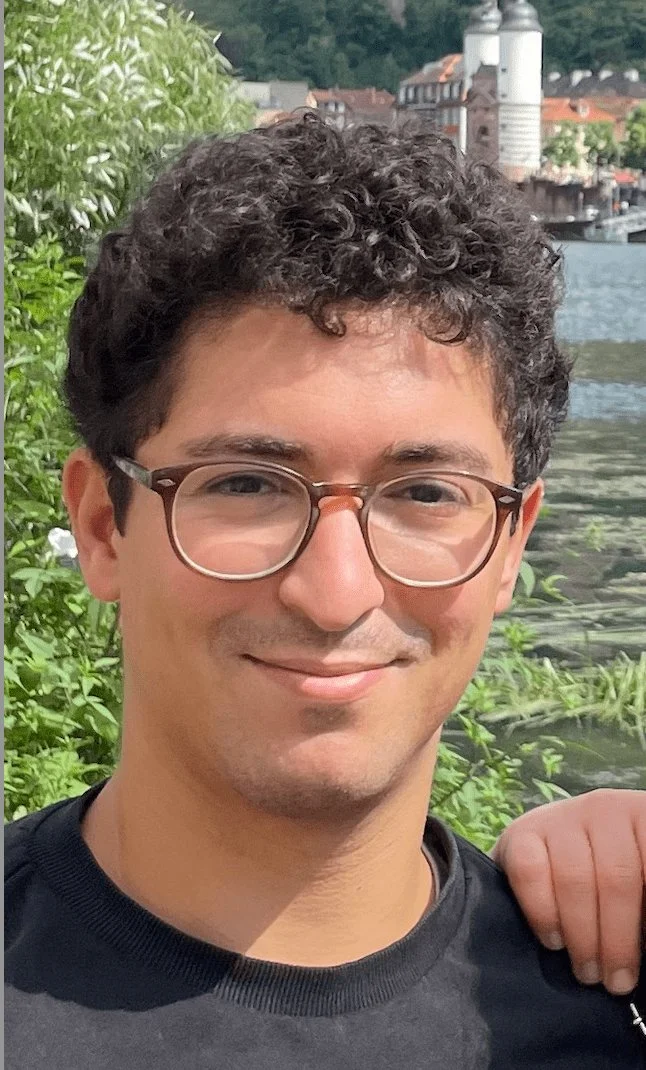
NICHOLAS C. FIORENZA
Comms & Community
Council
The Council advises on what we work on and how. Members bring experience across NASA programs, life support systems, food science, hospitality and space tourism, and academic research.
-
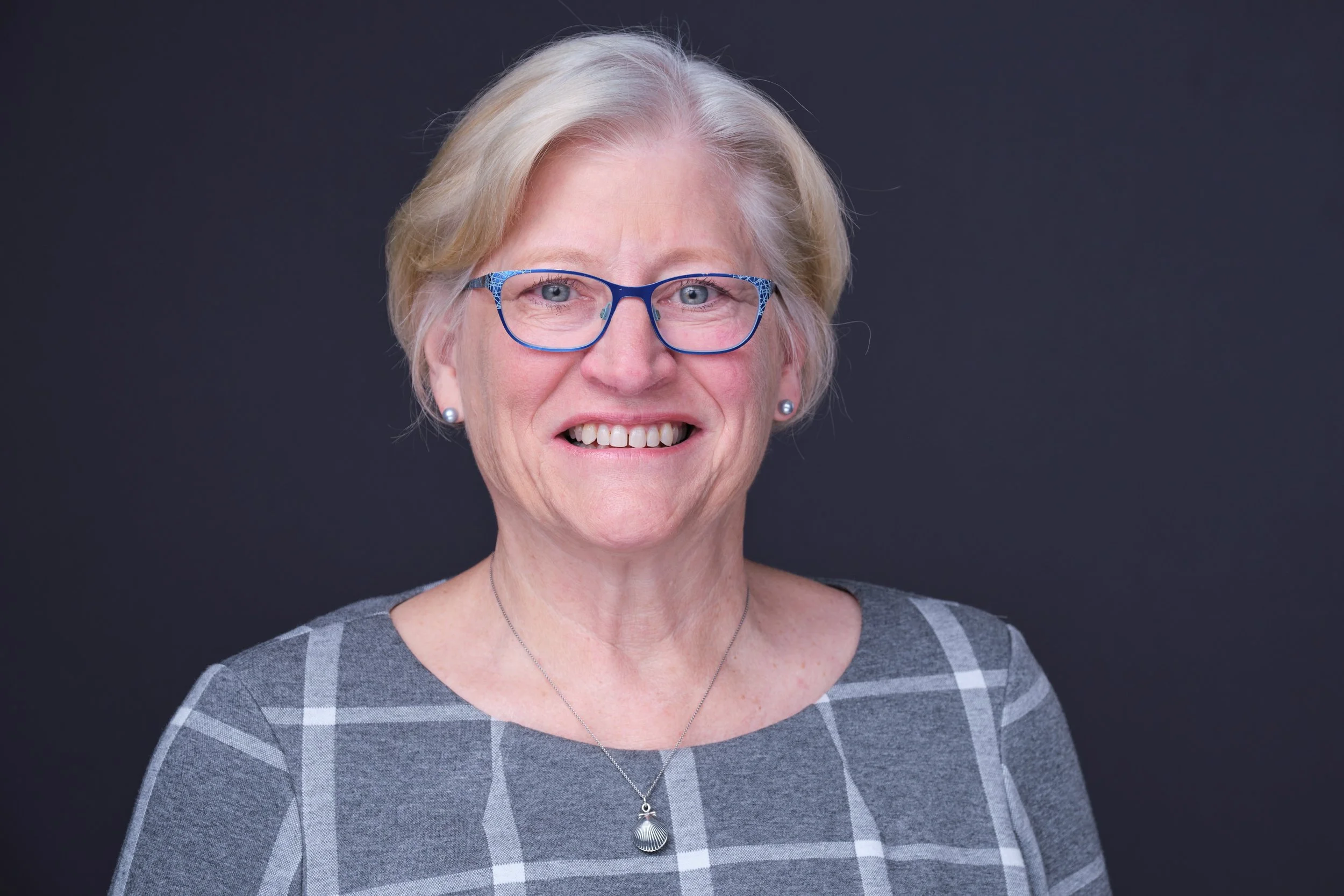
Vickie Kloeris
Past President Institute of Food Technologists, NASA
-

Michele Perchonok
Former Human Research Program, Advanced Food Technology Project Manager, NASA
-
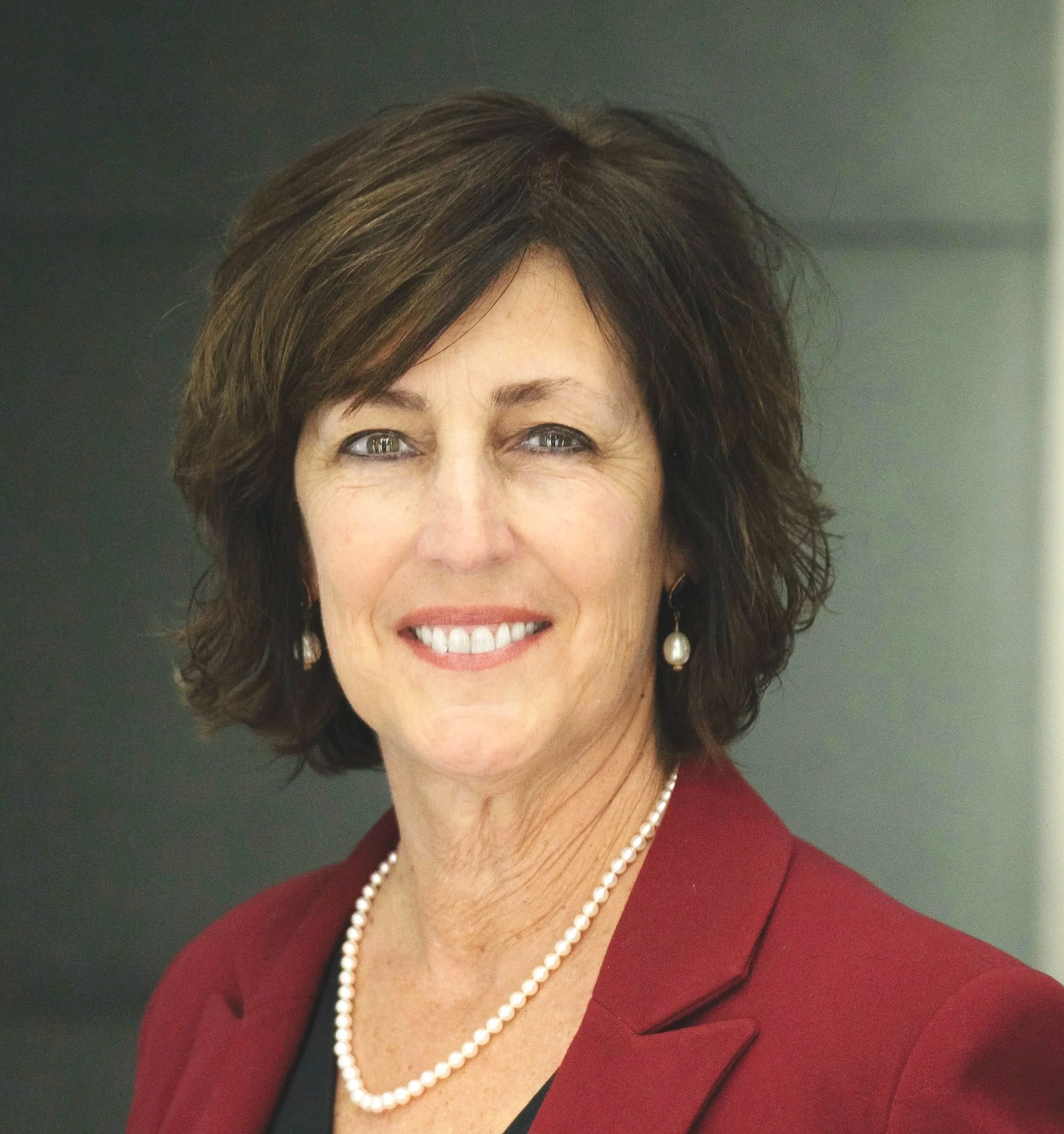
Robyn Gatens
Former Director of International Space Station and Commercial Space, NASA
-
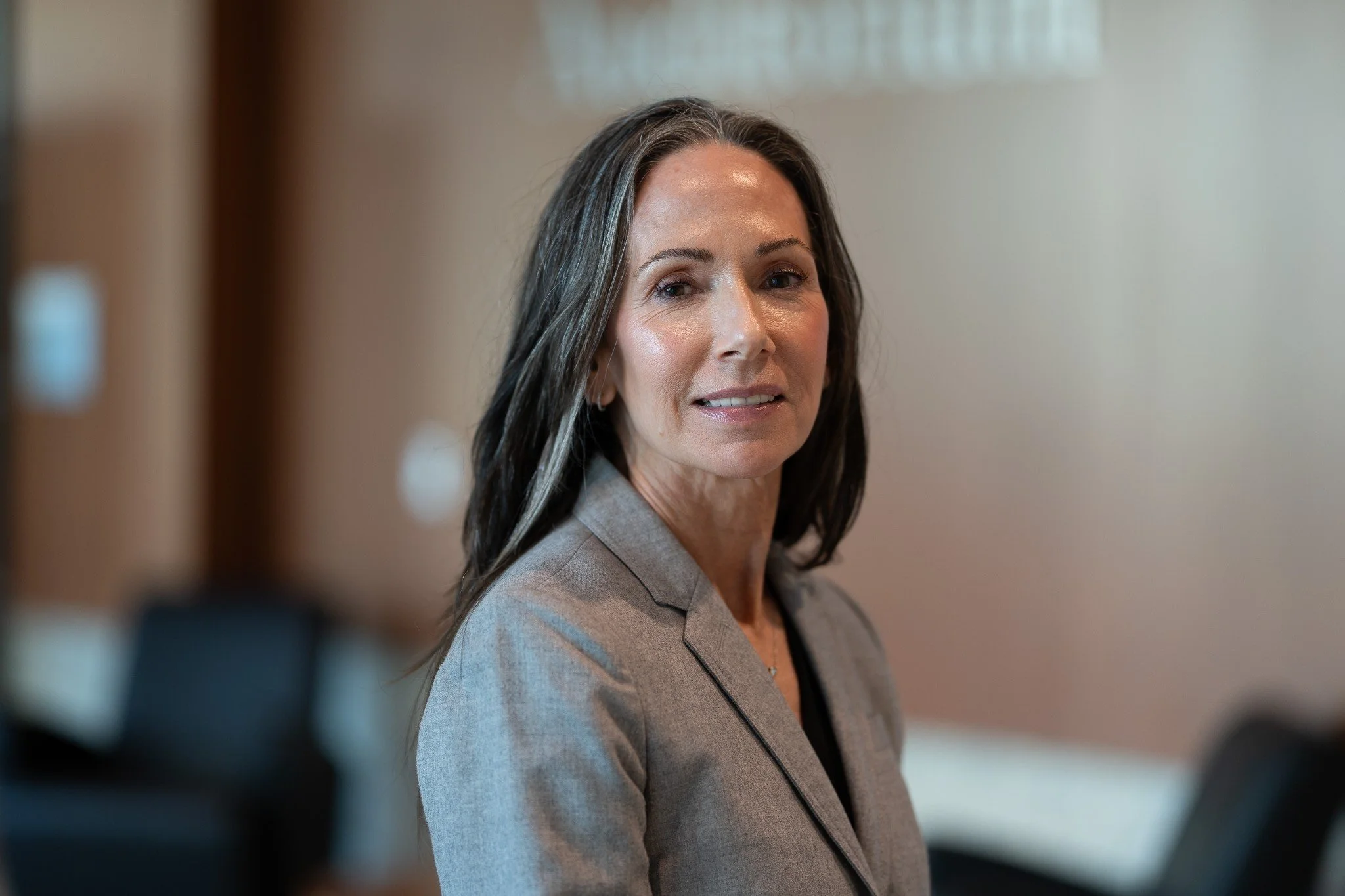
Jennifer Fogarty
Chief Scientist, Center for Aerospace & Extreme Environments Medicine, Associate Professor, Department of Medicine, University of Central Florida College of Medicine
-

Volker Hessel
Professor at University of Adelaide, CI & Program Lead in ARC Center of Excellence Plants for Space
-
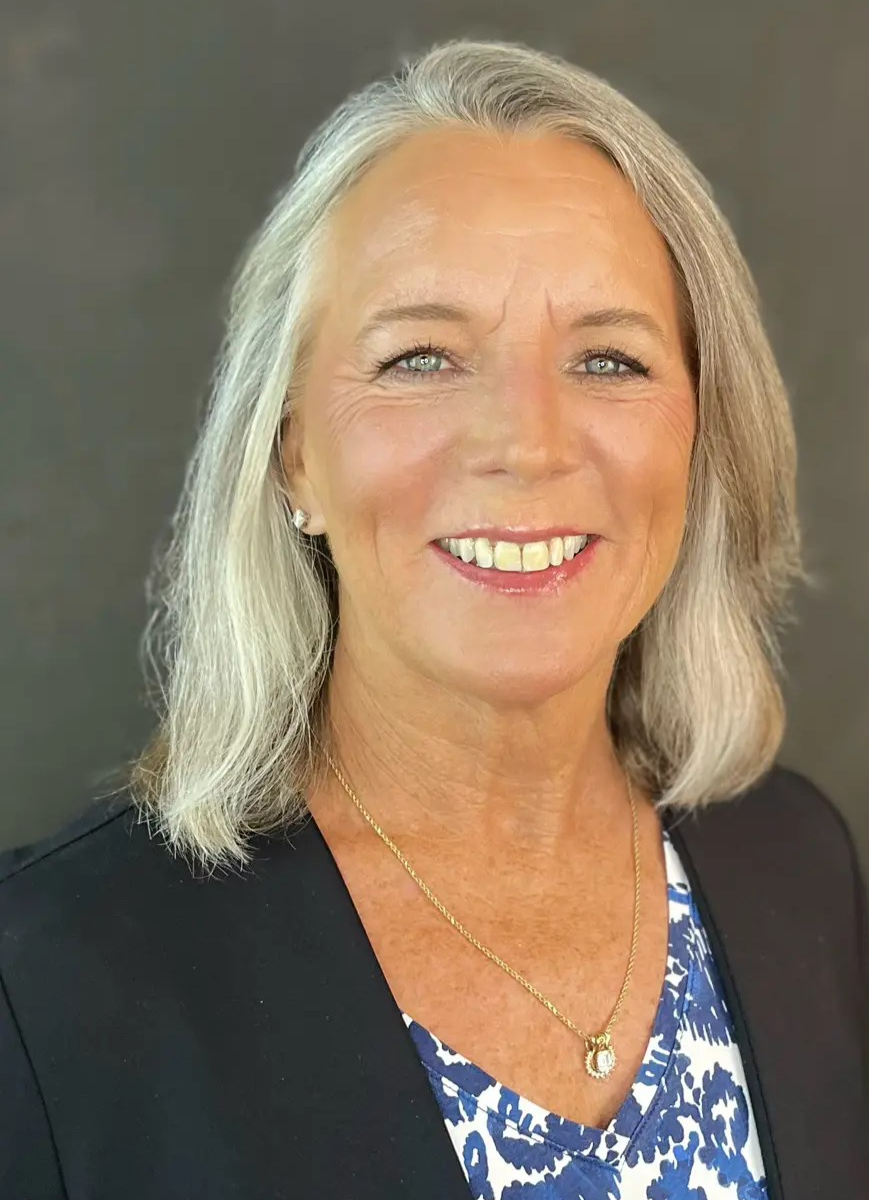
Amy Gregory
Associate Professor & Endowed Chair Space Tourism, Rosen College of Hospitality Management, University of Central Florida
-

John Hogan
Life Support Systems Scientist, Former Chief of Bioengineering Branch, NASA
-
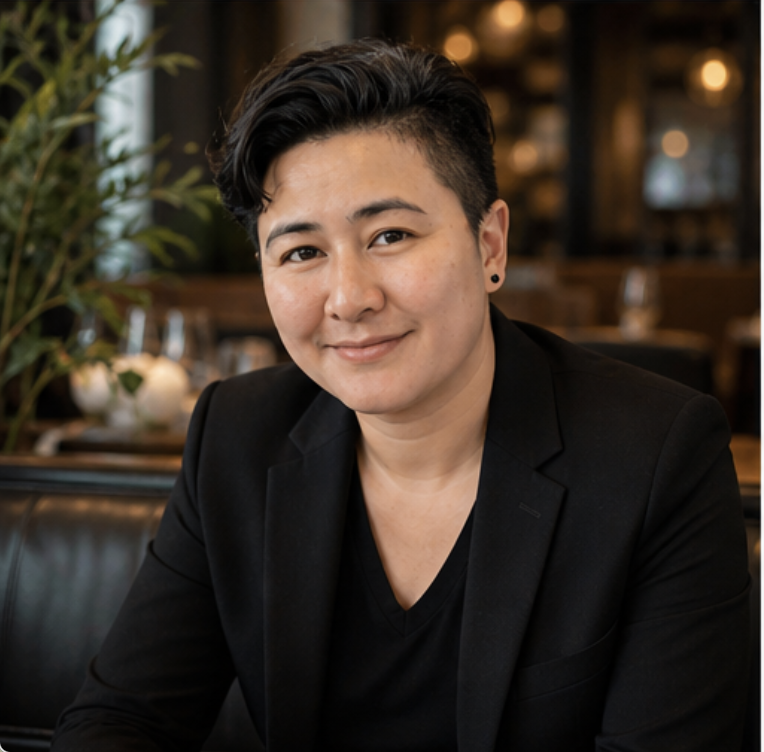
Charisse Grey
Chef
Former Director of Research and Development, ThinkFoodGroupComms & Community -

Flavia Fayet-Moore
Chief Executive Officer, FOODiQ Global
Advisors
Advisors lead and contribute to working groups in their areas of expertise.
-

Sam Chapple-Sokol
Senior Editorial Director, Jose Andres Media, Editorial Director, World Central Kitchen
-
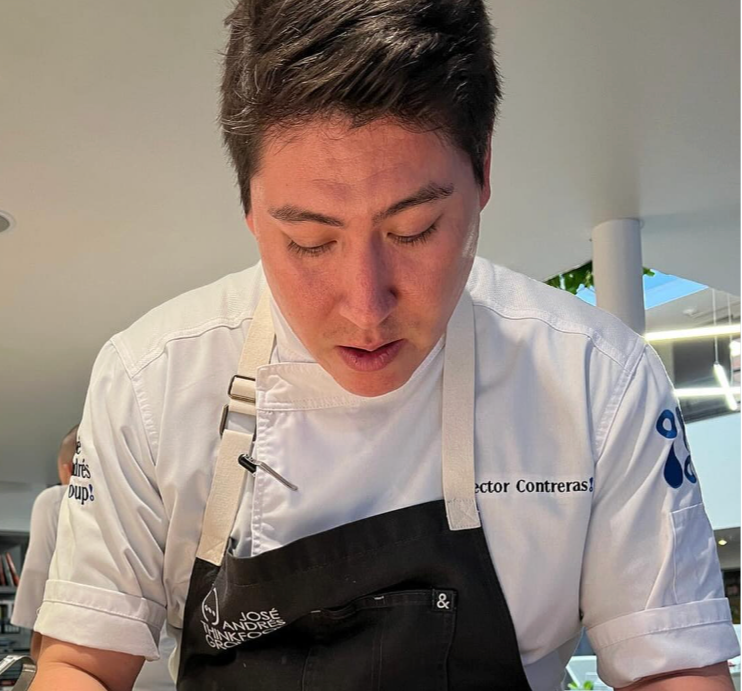
Chef Hector Contreras
R&D Chef, Jose Andres Group
-

Jac Cottee
Space Health & Performance Researcher, Institute for Space Health & Performance
-

Madelyn MacRobbie
Assistant Professor, Mechanical & Aerospace Engineering, Michigan Technological University