
Priority Areas
-

Pre-Packaged System Innovations
The foundation of the current food system relies on meals that are prepared and packaged on the ground and shipped as cargo for the crew’s consumption. Over time, future food systems will transition from prepackaged food to food that is produced insitu as mission durations and earth independence are prioritized. -

Production Technologies & Approaches
To provide a varied menu for the crew, a broad scope of food production technologies will be need to be evaluated with each designed to meet specific mission requirements. Everything from plants and fungi to bioreactor and fermentation products will be considered . -
Processing, Preparation & Storage
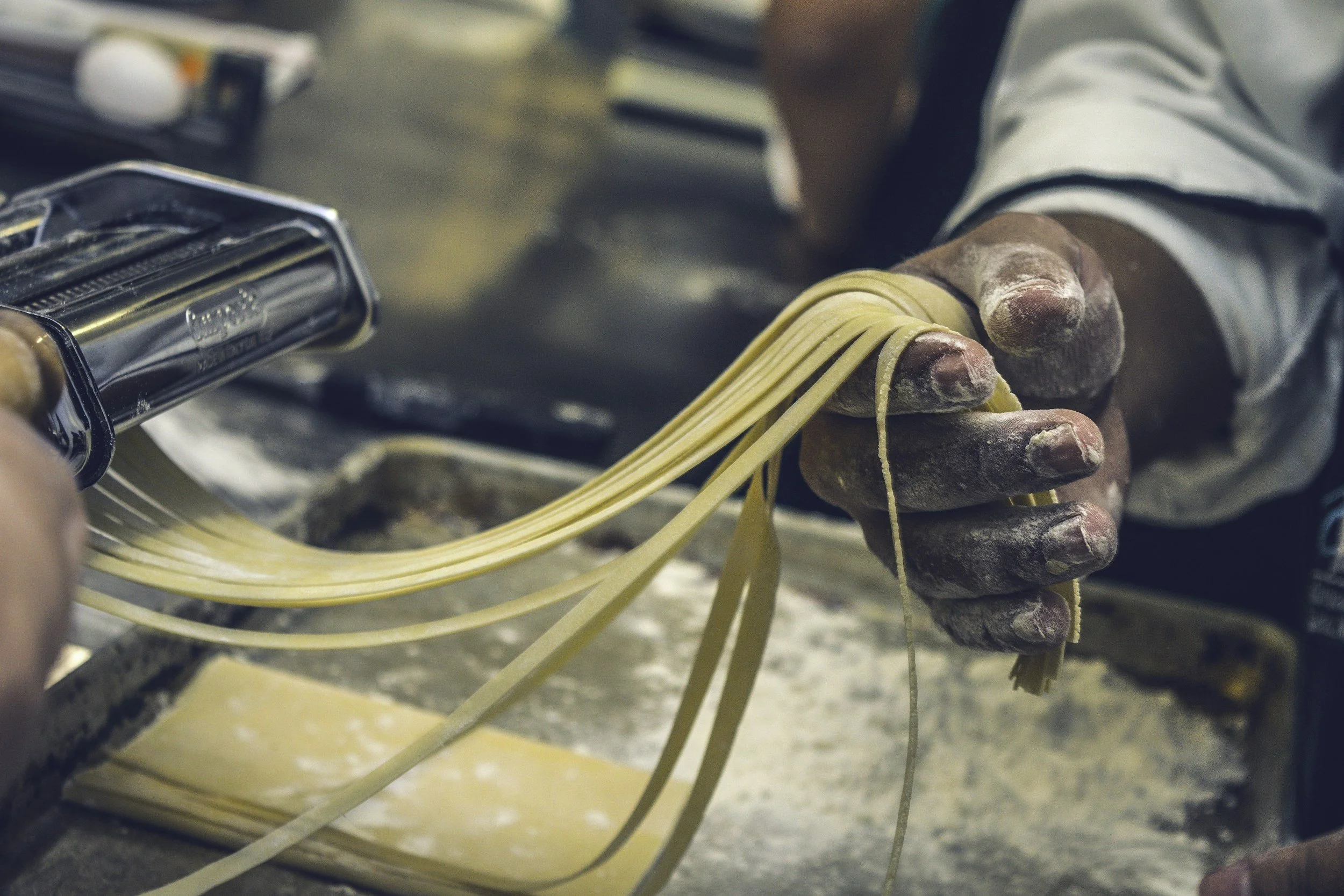
A complete food system will include considerations and infrastructure for ingredients to be collected and transformed into meals, snacks and beverages. What isn’t consumed immediately will also need to be prepped for storage and future use. -
Risk Assessment, Safety & Quality Control
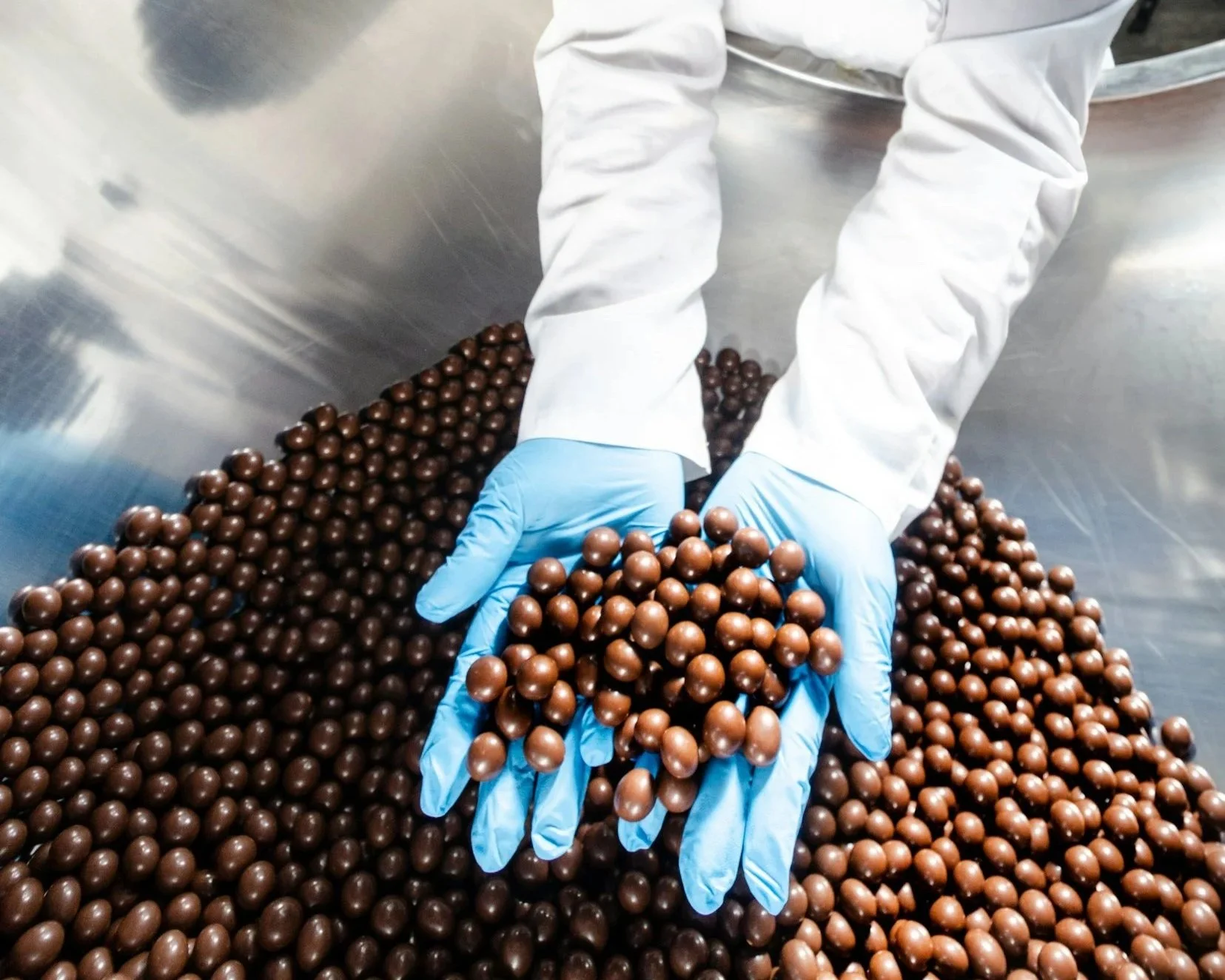
Future food systems will need to be both safe, reliable and meet strict quality standards. Current methods to ensure food safety focus on pre-packaged food. As food systems incorporate products produced locally real time food safety tools and techniques suitable for the space flight environment will need to be developed and deployesd. -

Waste & Side-Stream Management
Food systems will produce waste. In a confined space with limited resources - like a space station or an off-planet habitat - waste will need to be repurposed and reused as part of the closed-loop system. -

Human Health, Nutrition & Performance
Food systems are about more than just survival. Future food systems will be designed to ensure that crews thrive by providing varied diets that meet individual crew members nutritional requirements and personal preferences. -

Environmental Climate & Life Support System Interfaces
Food systems will need to integrate with other life support system elements without causing significant disruption or degradation. Ideally the incorporation of food production technologies should be designed to provide a positive addition to the development of a Biological Life Support System capability. -
Crew Interaction & Experience
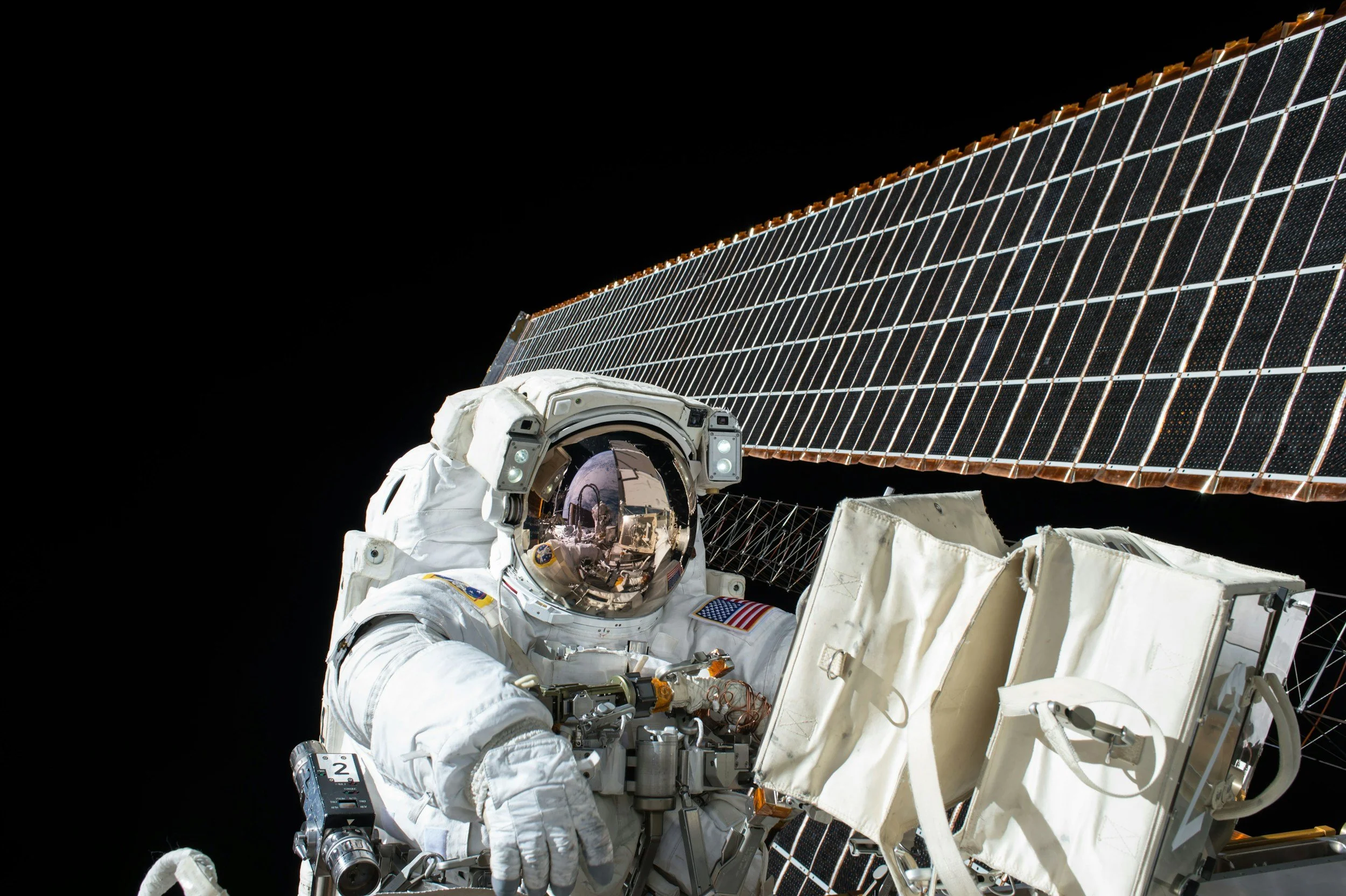
The human interaction and engagement with the food system consists of complex interplay of experiential factors. Aside from the food itself, considerations that account for a range of sensory perceptions, and design considerations need to be addressed to ensure the best crew experience possible. -
Testbeds, Demonstrators & Analogs
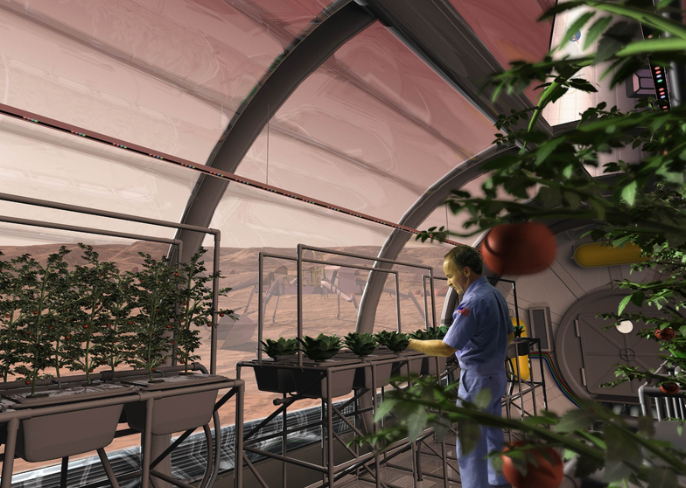
Before any component of a food system can go live, it will need to be thoroughly tested through a variety of virtual and physical facilities and high fidelity analogs. -

Data Analysis & Reporting
Data will be critical to understanding and monitoring food systems. Processes for the collection, interpretation, analysis and reporting of data need to be developed, proven and standardized, while also leaving room for continued adaptation and evolution through new tools like AI. -

Technology & Systems Integration
Successful Integration of the individual technologies and elements that comprise a complete food system will be critical. Food system designs will likely be bespoke to meet individual architecture needs and rely on a combination of traditional and novel technologies designed to work seamlessly together. -
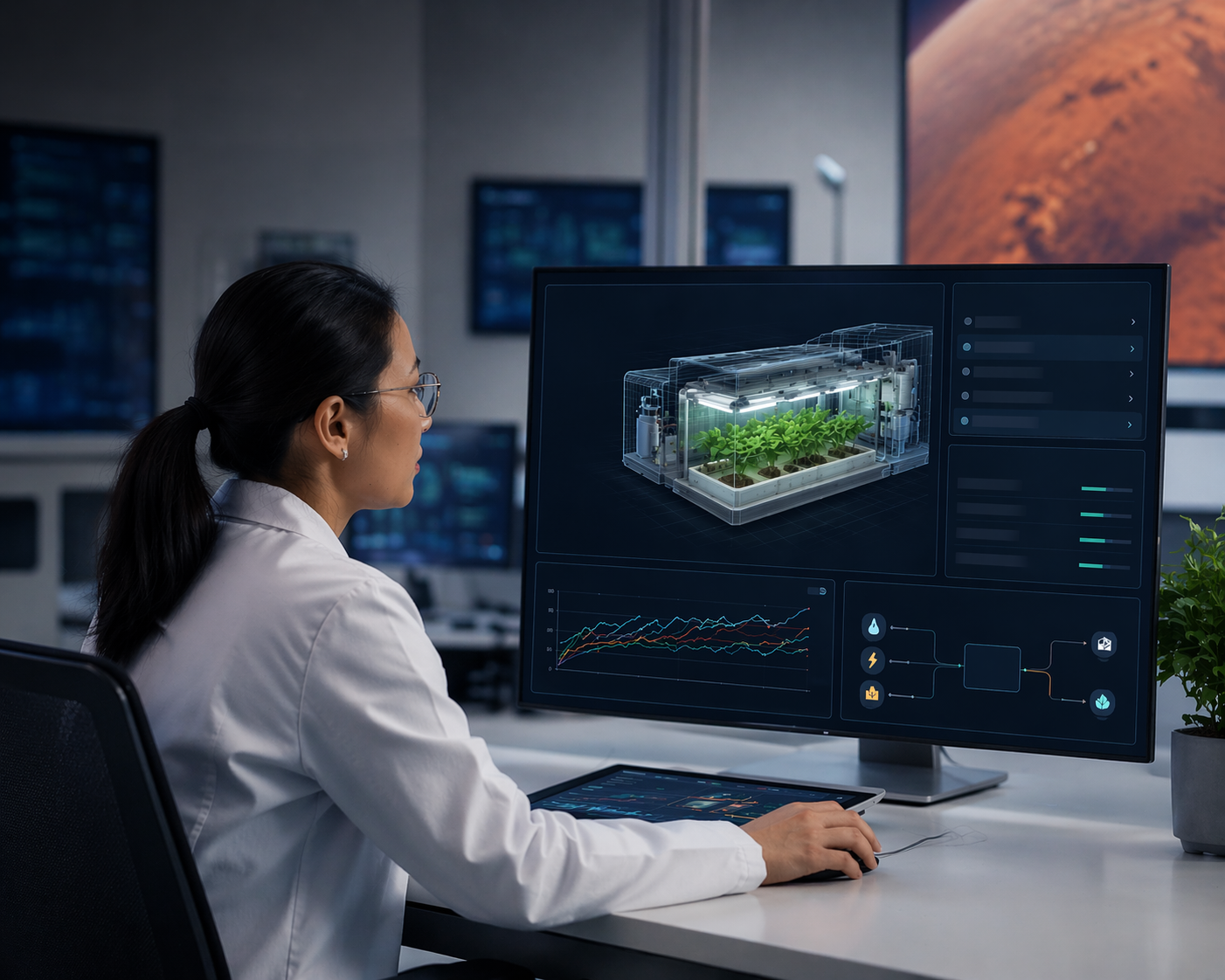
Digital Twins & Simulation Models
In the short-term, digital twins and simulation models will support more streamlined development, testing and validation of food system concepts. In the long-term, these capabilities will allow for rapid evaluation and resolution af any issues or needs that arise - regardless of location.